
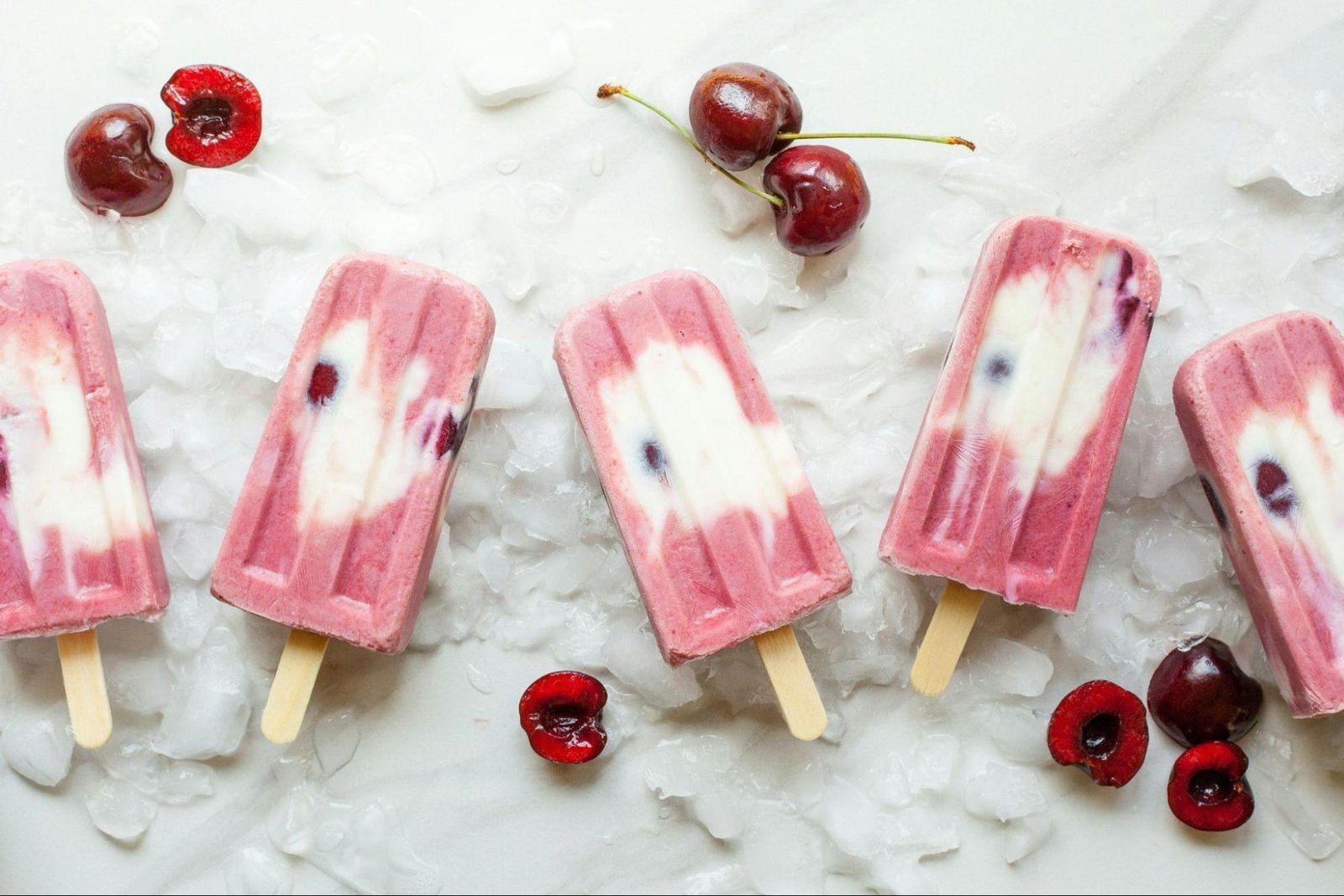

Homemade frozen desserts are no longer niche weekend projects reserved for hobbyist bakers or food bloggers. Over the past few years, making ice cream, sorbet, and frozen blends at home has become a routine part of everyday cooking for many households. What was once associated with bulky equipment and complicated techniques has shifted toward simpler, more accessible processes that fit easily into modern kitchens.
This change is closely tied to the growing interest in experimentation and control over ingredients. Recipes such as the cookies and cream ninja creami recipe reflect how home cooks are adapting familiar flavours into do-it-yourself formats that prioritise convenience, portion awareness, and personal preference. The appeal is not about novelty alone, but about reclaiming everyday treats as something flexible and adaptable rather than store-bought and fixed.
From Occasional Indulgence to Routine Preparation
Frozen desserts have traditionally been framed as occasional indulgences, purchased spontaneously rather than planned. The rise of at-home preparation has changed that relationship. When frozen treats are made in smaller batches at home, they shift from being impulse purchases to intentional parts of meal planning.
This mirrors broader changes in how people approach food. Cooking at home is increasingly about balance rather than restriction or excess. DIY frozen desserts fit neatly into that mindset, offering a way to enjoy familiar flavours without committing to large quantities or rigid recipes.
Instead of reserving ice cream for special occasions, many households now view it as another dish that can be adjusted, customised, and made on demand.
Technology Lowering the Barrier
A key factor behind this shift is the accessibility of countertop appliances designed for frozen preparation. These tools simplify processes that once required manual churning, precise timing, or specialised knowledge. With fewer steps and clearer outcomes, frozen desserts become less intimidating.
This ease encourages experimentation. Home cooks are more willing to try variations, substitute ingredients, or adjust textures when the process feels forgiving. The result is a culture of trial and adaptation rather than strict adherence to tradition.
Importantly, the technology does not replace cooking skill, it reframes it. Skill is expressed through choices rather than technique.
Ingredient Awareness and Customisation
One of the strongest drivers of DIY frozen treats is control over ingredients. Many people are paying closer attention to what goes into their food, not necessarily to eliminate indulgence, but to understand it. Making frozen desserts at home allows for adjustments to sweetness, fat content, flavour intensity, and add-ins.
This flexibility is particularly appealing for households with mixed preferences or dietary considerations. A single base can be adapted into multiple variations, accommodating different tastes without preparing entirely separate desserts.
Customization also changes how people relate to treats. When a dessert is made rather than bought, it often feels more intentional and less disposable.
Familiar Flavours, Reworked Formats
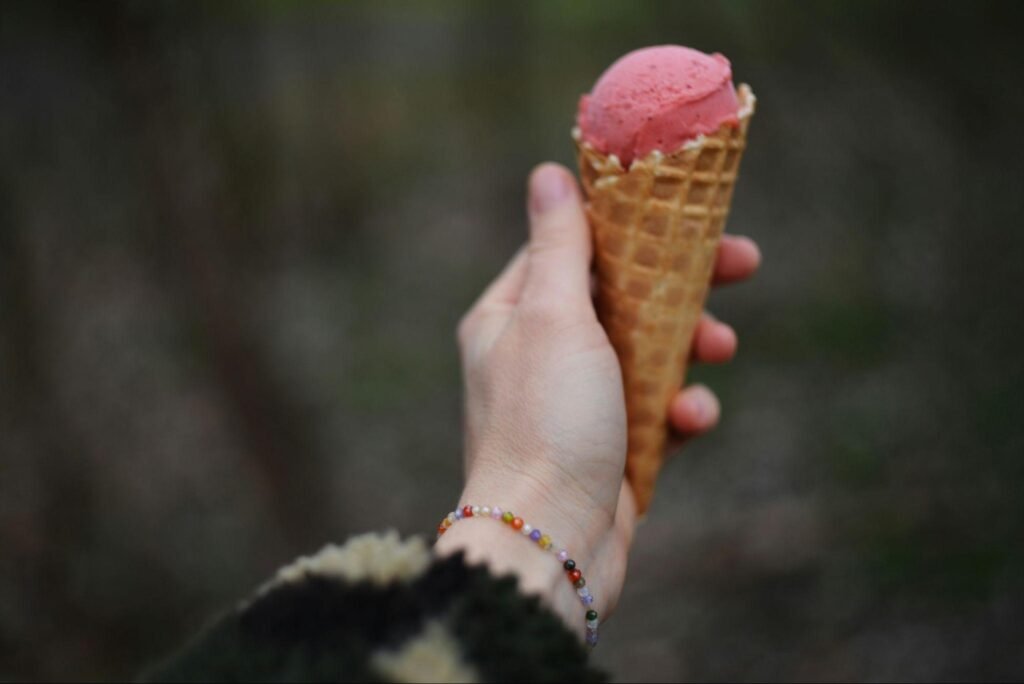
Interestingly, the popularity of DIY frozen desserts has not led to a rejection of classic flavours. Instead, it has reinforced them. Cookies and cream, vanilla, chocolate, and fruit-based combinations remain staples, but they are now approached as templates rather than fixed products.
Reworking familiar flavours into homemade formats offers both comfort and novelty. The taste is recognisable, but the process and outcome feel personal. This balance between familiarity and experimentation helps explain why DIY frozen treats have integrated so smoothly into everyday cooking habits.
Rather than chasing constant innovation, many home cooks are refining what they already enjoy.
Time, Convenience, and Modern Routines
Contrary to assumptions, DIY frozen desserts are not necessarily more time-consuming than buying them. In many cases, preparation is spread out, mixing ingredients one day, freezing them, and finishing the dessert later. This staggered approach fits well into busy schedules.
Because these treats are made at home, they are also available when wanted, without extra trips to the store. This convenience reinforces the habit, turning what might have been an occasional experiment into a regular practice.
The ability to prepare small quantities further supports this shift, reducing waste and aligning with more mindful consumption patterns.
Cultural Influence and Shared Knowledge
The rise of DIY frozen treats is also shaped by how cooking knowledge circulates today. Recipes, techniques, and variations are widely shared online, creating a sense of collective learning. People are less likely to treat recipes as rigid instructions and more as starting points.
This shared experimentation normalises imperfection. Texture differences, flavour tweaks, and personal adjustments are expected rather than seen as failures. That attitude lowers the psychological barrier to trying something new.
As a result, frozen dessert-making feels approachable rather than specialised.
The Broader Trend Toward Hands-On Food
DIY frozen treats sit within a larger movement toward hands-on food preparation. Across cuisines and meal types, people are rediscovering satisfaction in making rather than merely consuming. This does not mean abandoning convenience, but redefining it.
Convenience now often means control, predictability, and adaptability rather than speed alone. Frozen desserts made at home offer all three, which helps explain their growing role in everyday kitchens.
According to observations published by the Food and Agriculture Organization of the United Nations, home food preparation has increasingly shifted toward flexible, small-batch cooking that adapts to household routines rather than rigid meal structures. DIY frozen treats align closely with this pattern.
Why the Trend Is Likely to Last
The popularity of homemade frozen desserts is not driven by a single product or fad. It reflects deeper changes in how people think about food, indulgence, and routine. When treats become something that can be made, adjusted, and repeated without excess, they lose their novelty-driven volatility and gain longevity.
DIY frozen treats offer a rare combination: indulgence without rigidity, creativity without complexity, and comfort without overconsumption. These qualities make them well suited to modern kitchens and modern lifestyles.
As cooking continues to move toward personalisation and practicality, frozen desserts made at home are likely to remain a regular feature, not as a trend, but as a habit woven into everyday life.