
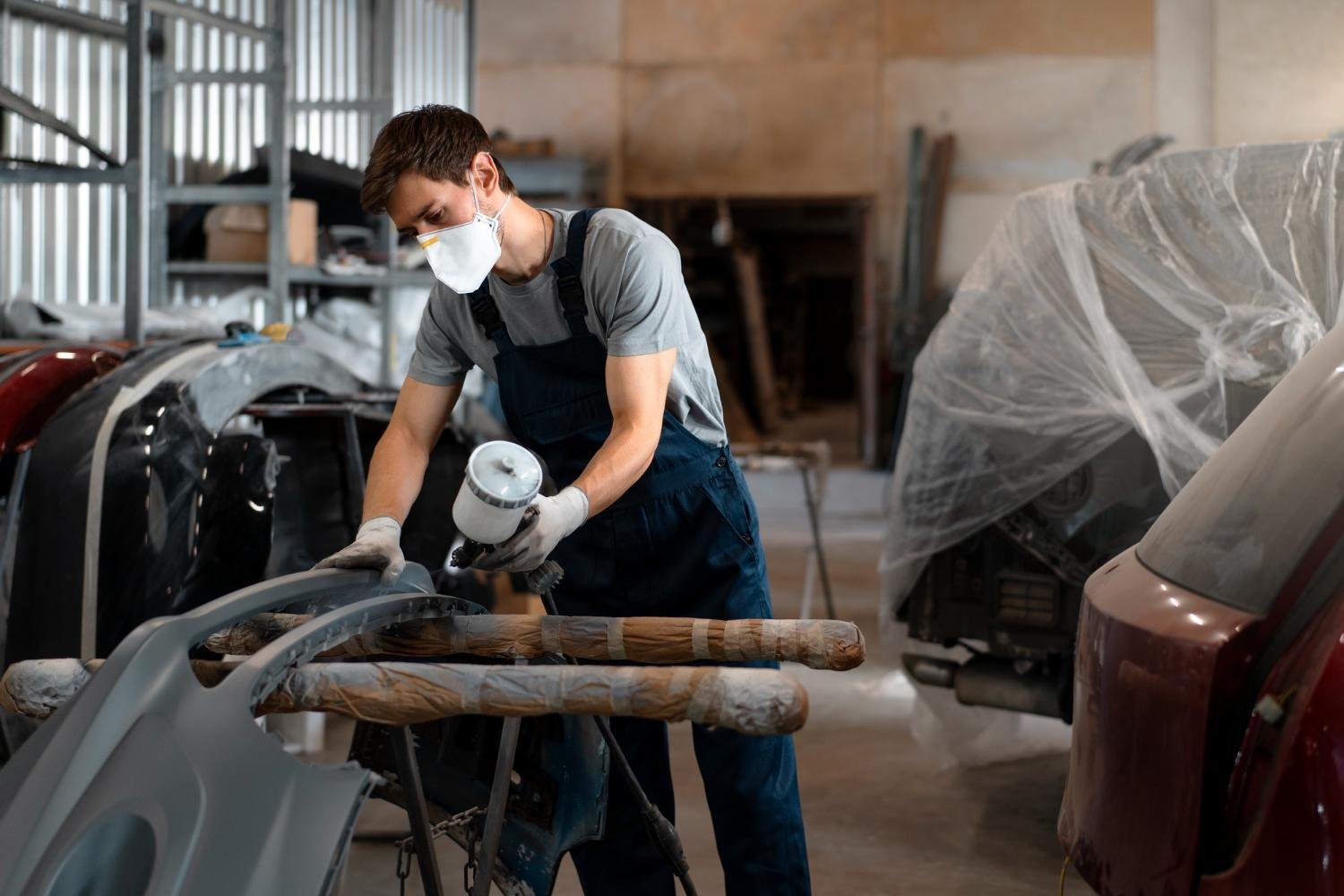

Not long ago, working on your own car was something associated mostly with professional mechanics or deeply dedicated hobbyists. Today, that image is changing. More drivers are becoming actively involved in maintaining, upgrading, and caring for their vehicles at home. Supported by online tutorials, accessible tools, and a renewed interest in practical skills, DIY car culture is experiencing a steady revival. It’s why many enthusiasts, as they improve their home setups, eventually start researching options like the best car lift for home garage when thinking about safety, access, and long-term convenience. What was once a niche interest is becoming a mainstream pursuit for people who want a stronger connection with what they drive.
This shift reflects larger changes in how people learn, spend their free time, and use their living spaces.
Knowledge Is Easier to Access
One of the biggest drivers of this trend is information. Learning basic automotive work used to require manuals, formal training, or guidance from someone experienced. Now, detailed videos, forums, and car communities make it possible to understand many maintenance tasks from home.
People watch a repair being done step by step, see the tools involved, and gain confidence before ever touching their vehicle. That visibility makes once-intimidating jobs feel manageable. While this doesn’t replace professional expertise, it lowers the barrier for routine care and small projects.
Many drivers start with simple tasks and build skills gradually. Over time, what began as curiosity can grow into a rewarding hobby.
The Appeal of Hands-On Work
There is also a personal satisfaction that comes with working on a car. It combines logic, patience, and physical effort, with visible results at the end. Tightening a loose component or successfully completing a brake job creates a sense of accomplishment that digital work rarely offers.
For some people, garage time becomes a way to unwind. The process of diagnosing an issue, researching solutions, and completing a repair can be deeply engaging. In a world where much work happens on screens, mechanical tasks feel tangible and grounding.
This is one reason DIY car care often becomes more than a money-saving strategy, it becomes a genuine interest.
Saving Money, but Realistically
Cost savings are part of the appeal, though experienced DIYers tend to be practical about it. Tools, quality parts, and proper safety equipment require investment. The goal is rarely to eliminate professional service altogether.
Instead, many enthusiasts focus on routine maintenance. Oil changes, filters, detailing, and minor replacements can be handled at home. Over time, this reduces labor costs and builds familiarity with the vehicle.
Perhaps more valuable than the savings is awareness. DIY-minded drivers notice issues earlier and understand their cars better, which can prevent larger problems.
The Garage as a Functional Space
As DIY interest grows, the home garage naturally becomes more important. What used to be a storage zone is increasingly treated as a workspace. For owners of high-performance vehicles, choosing the right components is essential, and investing in quality Lamborghini tyres can significantly enhance both safety and driving experience. Better lighting, cleaner layouts, and organized tools make projects easier and safer.
A well-arranged garage also encourages good habits. When tools are accessible and the space is comfortable, people are more likely to take their time and do things properly. Even modest improvements can change how often the space is used.
For many enthusiasts, the garage evolves into a personal workshop, a place dedicated to focus and creativity.
Community Still Matters
Even though DIY work happens at home, it’s rarely done in isolation. Online groups, forums, and social media communities allow enthusiasts to share experiences and troubleshoot issues together. Advice travels quickly, and beginners benefit from the lessons of others.
Local car meets and hobby groups add a social layer. These gatherings often revolve around shared appreciation rather than competition. People exchange stories, compare projects, and learn from one another.
In many ways, this mirrors how mechanical knowledge used to be passed down, just updated for the digital era.
Safety Awareness Is Improving
A positive development in modern DIY culture is the emphasis on safety. Enthusiasts openly discuss proper support equipment, protective gear, and safe lifting practices. Reliable guidance is widely available, and many newcomers take safety seriously from the start.
Organizations like the National Highway Traffic Safety Administration regularly emphasize proper vehicle maintenance and safe handling. While their primary focus is road safety, the broader message applies in the garage too: careful practices reduce risk.
This awareness helps make DIY work more sustainable as a hobby.
Modern Cars Haven’t Stopped DIY
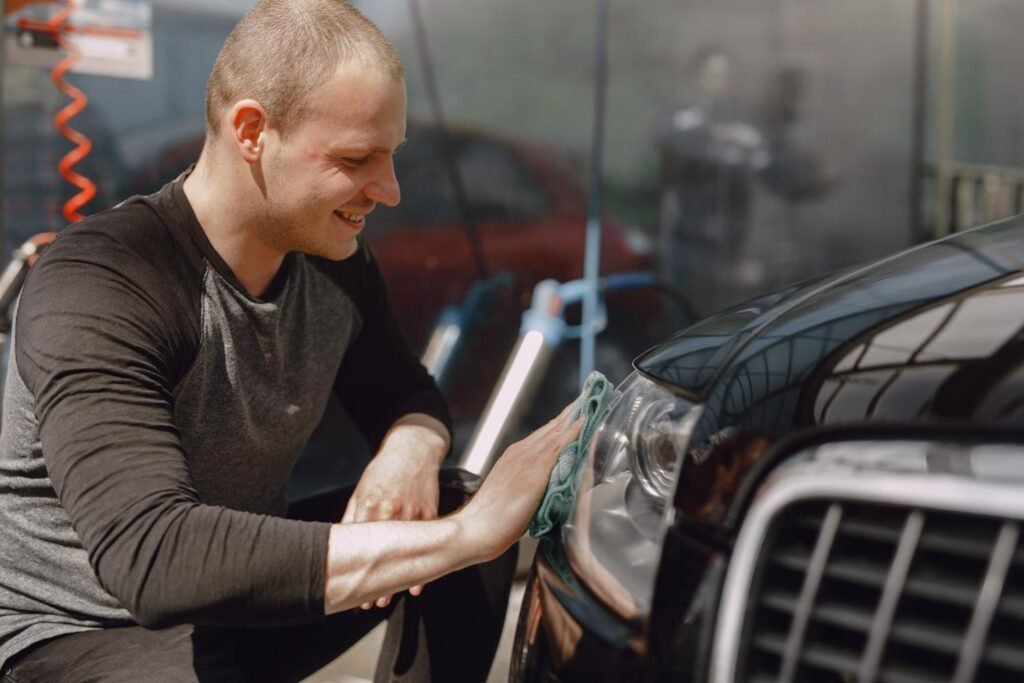
It’s true that today’s vehicles are more computerized. Some repairs require specialized tools or software. But this hasn’t eliminated DIY involvement, it has simply changed it.
Many home enthusiasts focus on preventive care, cosmetic upgrades, and bolt-on improvements. Diagnostic scan tools also give drivers insight into their vehicles without deep mechanical intervention.
Professional mechanics still handle complex repairs, but there remains plenty of room for hands-on participation.
Knowing the Limits
Experienced DIYers often stress balance. Not every repair belongs in a home garage. Some jobs demand advanced equipment or training.
The most successful enthusiasts understand their limits. They tackle what makes sense and leave critical or highly technical work to professionals. This keeps the hobby enjoyable rather than stressful.
A Deeper Connection to the Vehicle
For many people, cars represent more than transportation. They hold memories, freedom, and personal identity. Working on a vehicle strengthens that relationship.
Drivers who maintain their own cars often become more attentive to sounds, performance, and care routines. That attentiveness usually leads to better long-term vehicle health.
The rise of the DIY car enthusiast at home is driven by curiosity, accessibility, and a desire for hands-on experience. With better learning resources and supportive communities, more people feel confident taking part in their vehicle’s care.
Not everyone will rebuild engines or take on major restorations, and that’s perfectly fine. Even basic DIY involvement builds knowledge and appreciation.
At its best, DIY car culture isn’t about replacing professionals. It’s about understanding your vehicle, enjoying the process, and making informed decisions. For many, the garage becomes more than a parking spot, it becomes a place to learn, create, and connect with what they drive.