
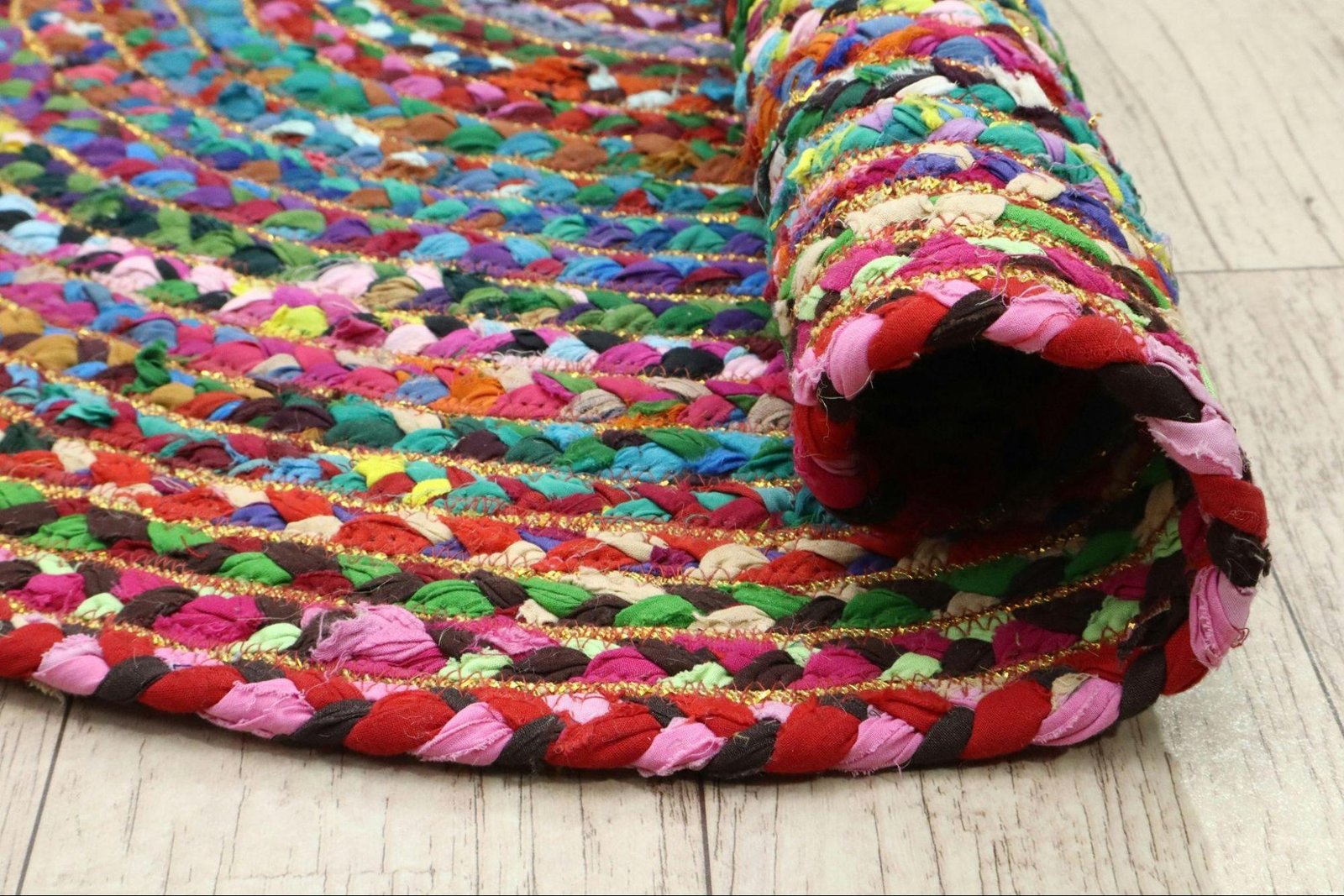

In a world that’s been dominated by minimalist white walls and sparse furnishings for over a decade, maximalism emerges as a vibrant rebellion, a celebration of personality, color, pattern, and the things we love. Maximalist design isn’t about clutter or chaos; it’s about intentional abundance, where every item tells a story and contributes to a richly layered environment that reflects your authentic self. This approach to interior design embraces the “more is more” philosophy, creating spaces that feel alive, dynamic, and deeply personal. When executed thoughtfully, maximalism achieves a sophisticated balance between visual excitement and livable comfort.
Key to this style is understanding proportion and scale, oversized elements make powerful statements that anchor bold rooms. For instance, Colin and Finn pillow covers in the substantial 22×22 size provide the visual weight necessary for maximalist spaces, whether used on sofas, beds, or even as floor cushions in reading nooks. These larger pillows prevent your carefully curated maximalist room from feeling cluttered with too many small items, instead creating focal points that command attention and ground your design with purposeful impact.
The beauty of maximalism lies in its complete rejection of design rules that tell you to edit down, pare back, or “kill your darlings.” Instead, it invites you to surround yourself with abundance.
Embracing Color Fearlessly
Maximalist spaces thrive on bold color choices that would make minimalists uncomfortable. This doesn’t mean random rainbow explosions, successful maximalism uses color strategically, often starting with a cohesive palette that includes multiple hues working together. You might choose jewel tones like emerald, sapphire, and amethyst, or opt for a sunset palette of oranges, pinks, and reds.
Research from the International Association of Color Consultants demonstrates that humans can process and find harmony in complex color relationships when they’re united by similar saturation levels or temperature families. This scientific backing supports what maximalist designers have known intuitively, you can use many colors successfully if they share common characteristics.
Don’t be afraid of painting walls in saturated hues. Deep teal, rich burgundy, or vibrant coral walls create enveloping environments that serve as backdrops for your collections and furnishings. These bold wall colors actually make colorful artwork and textiles pop more effectively than white walls ever could.
Layer colors through textiles, artwork, and accessories rather than relying solely on paint. This approach allows you to adjust and evolve your palette over time without major renovation. Rugs, curtains, throw pillows, and blankets introduce color in changeable layers that keep maximalist spaces feeling fresh and dynamic.
Pattern Mixing Mastery
One of maximalism’s most distinctive characteristics is fearless pattern mixing. Florals with stripes, geometric prints with animal patterns, ikat with paisley, combinations that conventional wisdom says shouldn’t work create the visual complexity that defines maximalist style. The secret lies in finding common threads that unite disparate patterns.
Scale variation prevents pattern overload from becoming visual chaos. Pair large-scale patterns with medium and small prints to create hierarchy and breathing room for the eye. A large chinoiserie wallpaper might pair with medium-sized floral curtains and small geometric throw pillows, each pattern readable at different distances.
Color repetition acts as the glue holding diverse patterns together. When your various patterns share at least one common color, they feel intentionally coordinated rather than randomly assembled. This technique allows maximum pattern variety while maintaining cohesion.
Start with one statement pattern you love, perhaps a bold wallpaper or large area rug, then build around it. Pull colors from this anchor pattern into your additional textiles and accessories. This approach ensures your pattern mixing feels grounded rather than haphazard.
Maximizing Wall Space
In maximalist homes, walls serve as galleries for self-expression. Gallery walls in maximalist style abandon the symmetrical, evenly-spaced approach popular in minimal spaces. Instead, they embrace organic arrangements where frames of various sizes, shapes, and styles cluster together creating visual energy and movement.
Floor-to-ceiling arrangements make powerful statements. Don’t stop your gallery wall at typical height, extend it upward to crown molding and downward to baseboards for maximum impact. This approach creates immersive environments where art surrounds you rather than simply decorating at eye level.
Mix artwork with three-dimensional objects for added depth. Plates, mirrors, textile wall hangings, and sculptural elements interspersed with traditional framed art create the layered, collected-over-time aesthetic that maximalism celebrates. Each piece has room to shine while contributing to the greater whole.
Wallpaper makes a comeback in maximalist spaces, often in bold prints that minimalists would never dare. Chinoiserie, tropical prints, geometric patterns, or mural-style wallpapers transform walls into major design statements. Consider wallpapering just one accent wall or even the ceiling for unexpected drama.
Furniture as Statement Pieces
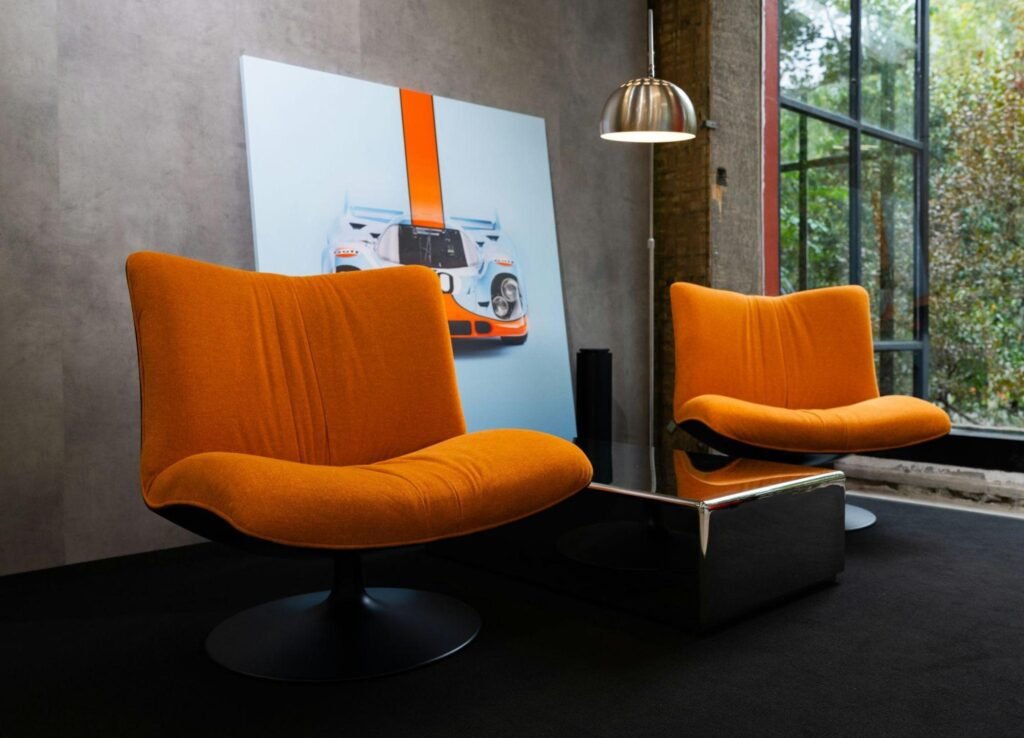
Maximalist furniture selections favor character over matching sets. Instead of purchasing coordinated suites, maximalists curate individual pieces with personality, an ornate Victorian settee paired with a mid-century modern coffee table and contemporary accent chairs. This eclectic approach creates spaces that feel collected and personal.
Upholstery provides opportunities for bold choices. Rich velvet in saturated colors, tapestry fabrics with intricate patterns, or leather in unexpected hues like emerald or cobalt make furniture into focal points. Don’t shy away from tufting, nailhead trim, or carved wooden details that add visual interest.
Scale matters in maximalist spaces. Oversized furniture pieces, a grand sectional, an imposing bookcase, or a massive dining table, anchor rooms and prevent them from feeling cluttered despite abundant accessories. These substantial pieces provide visual weight that balances the busy-ness of pattern and color.
Vintage and antique pieces inject history and character impossible to achieve with new furniture. Scour estate sales, antique markets, and online marketplaces for unique items with patina and stories. The imperfections and wear marks on vintage pieces add authenticity and depth to maximalist rooms.
Layered Textiles
Textile layering creates the cozy, enveloping feeling that makes maximalist spaces so inviting. Think multiple throw blankets casually draped over sofas, numerous pillows in various sizes and fabrics, and overlapping area rugs that define different zones within larger rooms.
Texture variety prevents visual flatness. Combine smooth silks with nubby linens, plush velvets with crisp cottons, and woven materials with printed fabrics. This textural diversity creates tactile interest that invites interaction and makes spaces feel multidimensional.
Rugs can layer over other rugs for added warmth and pattern. A large neutral jute rug might serve as the base layer with a smaller vintage Persian rug layered on top, creating depth and visual interest while protecting more delicate textiles from heavy traffic.
Window treatments deserve maximalist attention too. Forget simple roller shades, maximalism calls for layered curtains with elaborate hardware, perhaps pairing sheer panels with heavy velvet drapes, topped with an ornate cornice or valance. These treatments frame views while contributing significantly to room aesthetics.
Collections on Display
Maximalism celebrates collections rather than hiding them away. Whether you collect ceramics, books, vintage cameras, or botanical specimens, displaying your treasures creates personality and visual interest that generic décor items can’t replicate.
Curated shelving turns collections into art installations. Style bookshelves with books arranged by color, interspersed with decorative objects, small artwork, and plants. The goal is abundance that appears thoughtfully arranged rather than haphazardly stuffed.
Surface styling on coffee tables, consoles, and sideboards creates vignettes that draw the eye and invite closer inspection. Group objects in odd numbers, vary heights with stacks of books or small pedestals, and leave some negative space so individual items can breathe.
Rotate collections seasonally to keep displays fresh and prevent visual fatigue. Store some pieces away, bringing them out later while temporarily retiring others. This rotation makes your existing collections feel new again without constant purchasing.
Lighting as Sculpture
Maximalist lighting fixtures make statements rather than disappearing into backgrounds. Ornate chandeliers, dramatic pendant lights, sculptural floor lamps, and vintage sconces contribute to room aesthetics beyond their functional illumination.
Layer lighting types for both function and atmosphere. Ambient overhead lighting, task lighting for specific activities, and accent lighting highlighting artwork or architectural features create depth and flexibility. This layered approach allows you to adjust lighting intensity and focus for different times of day and activities.
Unexpected light sources add whimsy and personality. String lights aren’t just for holidays, drape them around mirrors, weave them through bookshelves, or outline doorways for constant gentle sparkle. Table lamps with bold patterned shades, neon signs, or vintage marquee letters inject personality through illumination.
Dimmer switches prove essential in maximalist spaces where visual stimulation runs high. The ability to lower lighting levels creates intimate atmospheres and prevents sensory overload during quieter moments. Install dimmers on all lighting circuits for maximum flexibility.