
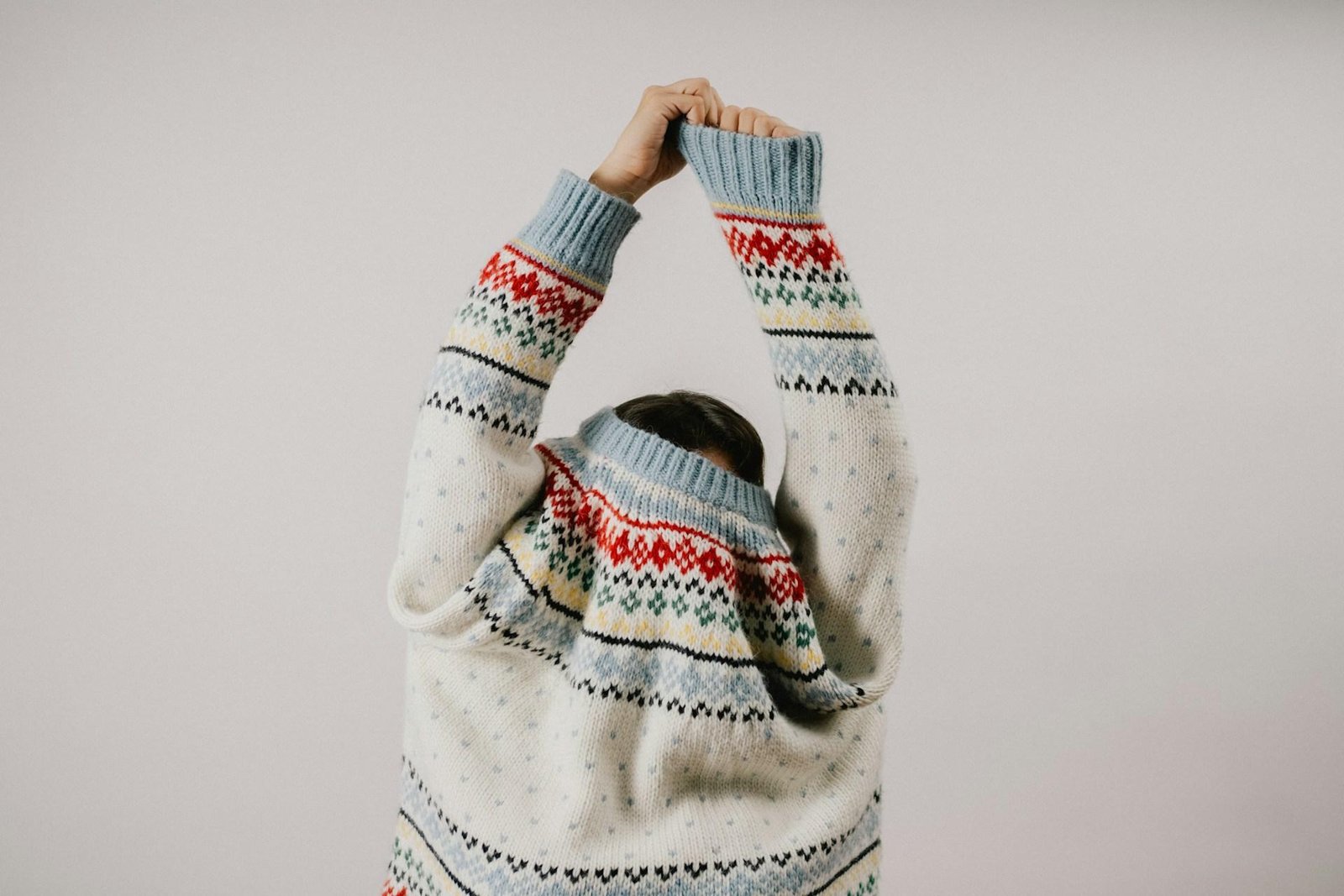

For years, fashion has been defined by speed. Fast trend cycles, constant drops, and clothing designed to be worn briefly before being replaced. Yet beneath the noise, something quieter has been happening. Shoppers are slowing down, paying closer attention to materials, origins, and longevity. In that shift, heritage knitwear has begun to re-emerge, not as a trend revival, but as a steady return to values that never really disappeared.
This renewed interest is especially visible in traditional wool garments with deep cultural roots. Pieces like Aran sweaters, once associated primarily with practicality and regional identity, are now being rediscovered for their craftsmanship and relevance in a more thoughtful fashion landscape. Retailers such as Aran Sweater Market sit naturally within this conversation, not because they follow fashion cycles, but because they represent continuity, garments made with purpose, history, and durability in mind.
Heritage knitwear’s comeback is not loud or performative. It is rooted in changing priorities.
From Trend Fatigue to Timelessness
One of the biggest drivers behind this shift is exhaustion. Many consumers feel overwhelmed by constant trend turnover and the pressure to keep up. Clothing that feels outdated after a single season no longer holds the same appeal, especially as awareness around waste and overconsumption grows.
Heritage knitwear offers an alternative. These garments are not designed around novelty. Their appeal lies in consistency. A well-made wool sweater looks appropriate year after year because it is anchored in function rather than trend. The silhouette may be familiar, but familiarity is exactly the point. It signals reliability.
As fashion conversations move away from “what’s next” and toward “what lasts,” heritage pieces naturally regain relevance.
Craftsmanship as a Marker of Value
Another reason traditional knitwear is returning is a renewed appreciation for how clothing is made. In an era where production is often invisible, garments that clearly show signs of craft stand out.
Heritage knitwear is rich in visible labor. The texture of wool, the complexity of stitches, and the weight of the fabric all communicate time and skill. These qualities are immediately felt when worn. They remind the wearer that the garment was constructed thoughtfully, not rushed through an automated process.
This sense of craft creates emotional attachment. People are more likely to care for, repair, and keep items that feel substantial and intentional. In this way, craftsmanship becomes not just an aesthetic choice, but a behavioral one.
The Cultural Roots Behind the Appeal
Heritage knitwear is also appealing because it carries stories. Aran sweaters, for example, are closely tied to Irish coastal communities, where garments were designed to withstand harsh weather and daily labor. Stitch patterns often held symbolic meaning, reflecting aspects of family, livelihood, or landscape.
In modern fashion, storytelling has become a powerful differentiator. Consumers increasingly want to know where their clothes come from and what they represent. Heritage garments provide that context organically. Their stories are not manufactured for marketing; they are embedded in history.
Wearing such a piece becomes a way of connecting with place and tradition, even in contemporary settings.
Slow Fashion in Practice, Not Theory
While slow fashion is often discussed in abstract terms, heritage knitwear embodies it in practice. These garments are typically made from natural fibers, produced in smaller quantities, and designed for long-term use. They resist the disposable mindset that defines much of modern apparel.
Importantly, slow fashion does not mean sacrificing style. Heritage knitwear integrates easily into modern wardrobes because its design is fundamentally adaptable. A traditional sweater can be styled casually or layered into more polished looks without feeling forced.
This adaptability reinforces the idea that sustainability does not require aesthetic compromise.
Why Wool Matters Again
Material choice plays a significant role in this comeback. Wool, once considered old-fashioned, is being re-evaluated for its natural properties. It is insulating, breathable, and resilient. Unlike synthetic fibers, wool performs well across seasons and ages gracefully with wear.
As consumers become more conscious of fabric composition, natural fibers regain favor. Wool’s biodegradability and longevity align with growing environmental awareness, while its performance meets everyday practical needs.
This renewed respect for material integrity supports the broader return to heritage garments.
Fashion as Emotional Comfort
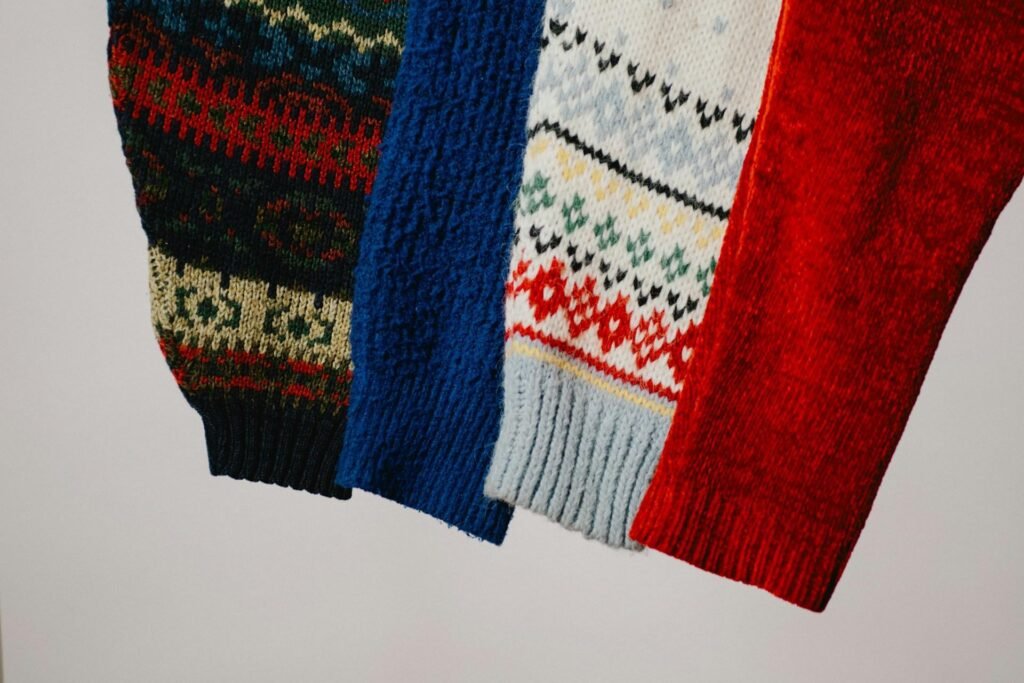
There is also an emotional dimension to this shift. Heritage knitwear offers a sense of comfort that goes beyond physical warmth. These garments feel grounding. They evoke stability in a cultural moment that often feels uncertain.
Psychologists note that people gravitate toward familiar, tactile experiences during times of stress. According to Psychology Today, objects associated with tradition and craftsmanship can provide emotional reassurance, reinforcing a sense of continuity and identity. Clothing that feels rooted can therefore play a subtle role in emotional wellbeing.
Heritage knitwear fits naturally into this dynamic. It feels safe, dependable, and human.
The Role of Modern Retail in Preservation
While heritage garments originate in the past, their survival depends on present-day interpretation and accessibility. Modern retailers play an important role in bridging tradition with contemporary lifestyles.
By preserving traditional techniques while adapting fit, sizing, and presentation for today’s consumers, these retailers keep heritage knitwear relevant without diluting its essence. This balance allows tradition to evolve rather than stagnate.
The result is clothing that honors its origins while remaining wearable in modern contexts.
A Counterpoint to Disposable Fashion
Heritage knitwear’s return is also a quiet critique of disposability. In contrast to garments designed for short-term use, these pieces encourage patience and care. They ask to be worn repeatedly, repaired when needed, and kept rather than replaced.
This mindset reshapes the relationship between wearer and wardrobe. Clothing becomes something to live with, not cycle through. Over time, garments accumulate meaning through use rather than novelty.
Such a relationship aligns with a broader cultural move toward intentional living.
Why This Comeback Feels Different
Heritage knitwear has resurfaced before, often as a trend. What feels different now is the context. This return is not driven by nostalgia alone, nor by fashion’s desire to recycle aesthetics. It is driven by a deeper reassessment of value.
Consumers are asking harder questions about quality, ethics, and longevity. Heritage knitwear answers those questions quietly, without spectacle. Its strength lies in consistency, not reinvention.
As fashion continues to grapple with its environmental and cultural impact, garments that embody care and continuity will likely remain relevant.
The comeback of heritage knitwear is not about moving backward. It is about carrying forward what works. In a world of rapid change, these garments offer steadiness. They remind us that good design does not need to shout, and that clothing can be both practical and meaningful.
As modern fashion continues to evolve, heritage knitwear stands as proof that some of the most enduring solutions have already been woven into history, waiting patiently to be worn again.