


Energy efficiency has become a priority for many households as energy prices rise and sustainability concerns grow. Smart home technology helps address this challenge by allowing homeowners to monitor, automate, and optimize energy usage throughout the home. By connecting everyday systems such as lighting, heating, and appliances, modern smart devices make it easier to reduce unnecessary consumption while maintaining comfort.
Smart Climate Control
Heating and cooling systems represent one of the largest sources of household energy consumption. In many homes, HVAC systems account for nearly half of total energy use. According to the U.S. Environmental Protection Agency, improving climate control efficiency is one of the most effective ways to lower residential energy consumption.
Smart thermostats have become central to this effort. Unlike traditional thermostats that rely on fixed schedules, smart devices learn household routines and automatically adjust temperature settings throughout the day. They detect occupancy, analyze patterns, and respond to changing conditions in real time.
Many homeowners exploring thermostat options compare different systems through resources such as Mysa, which explains how various smart thermostat technologies approach heating and cooling efficiency.
These systems can automatically lower heating when the home is empty and restore comfortable temperatures when residents return. Over time, this automated adjustment reduces energy waste without requiring constant manual input.
Energy Usage Insights
A major advantage of smart home technology is the ability to track and analyze energy consumption. Many smart thermostats and connected devices provide detailed reports through mobile apps or dashboards.
These reports show daily or monthly energy usage patterns, helping homeowners identify inefficiencies and adjust their behavior accordingly. When people understand where energy is being used, they often become more conscious of their habits, which leads to additional savings.
This data-driven approach transforms energy management from guesswork into a measurable process.
Smart Lighting
Lighting technology has also evolved significantly with the development of smart systems. Traditional lighting relies on manual switches, which often results in lights remaining on even when rooms are empty.
Smart lighting addresses this issue by combining LED technology with sensors and automation. Motion detectors allow lights to switch off automatically when no movement is detected. Scheduling features ensure lights operate only during specific hours.
Because LED bulbs consume far less electricity than traditional incandescent lighting, the combination of LED efficiency and automated control can substantially reduce overall electricity use.
Many systems also adjust brightness based on available daylight. When natural light enters the home, smart bulbs dim automatically, maintaining comfortable illumination while reducing energy consumption.
Smart Plugs
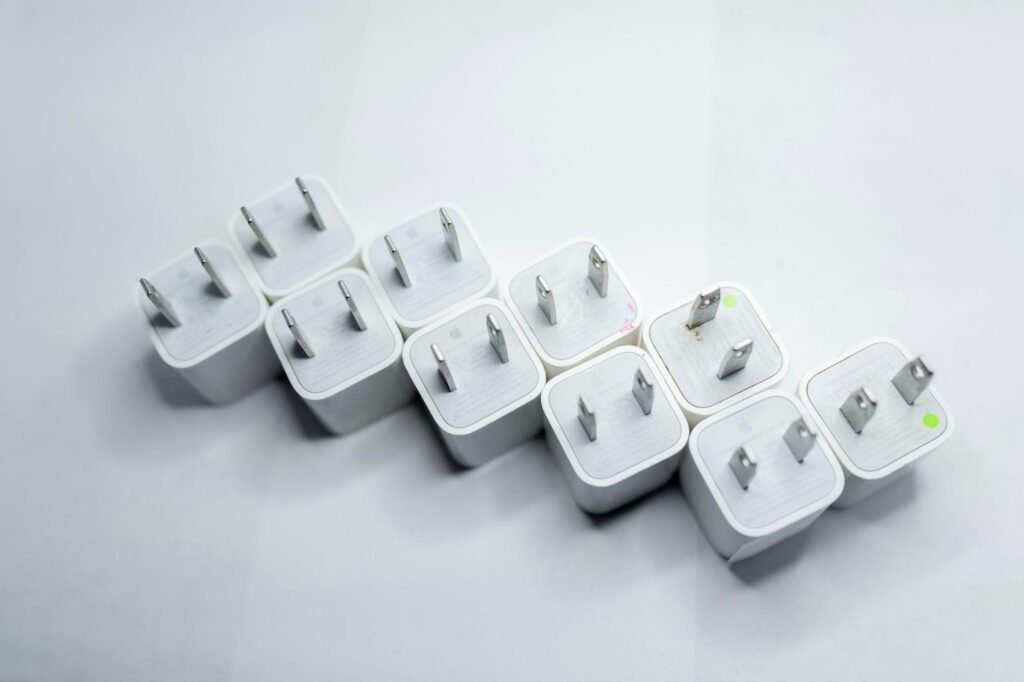
Standby energy consumption is another common source of wasted electricity in modern homes. Many devices continue to draw small amounts of power even when they are not actively in use.
Smart plugs provide a simple solution by allowing appliances to be controlled remotely or placed on automated schedules. A device connected to a smart plug can be turned off completely when it is not needed.
For example, televisions, gaming consoles, and office equipment often remain in standby mode overnight. A smart plug can disconnect these devices during inactive hours, eliminating unnecessary power consumption.
Although each device may use only a small amount of electricity, the combined effect across multiple appliances can lead to noticeable savings.
Smart Appliances
Modern appliances increasingly include smart features designed to improve efficiency. Washing machines, dishwashers, and refrigerators now use sensors and data analysis to optimize their operation.
A smart washing machine may adjust water levels and cycle duration based on the size of the laundry load. Dishwashers can detect how dirty dishes are and adapt the cleaning cycle accordingly.
Some appliances also allow users to schedule operation during off-peak electricity hours. Running energy-intensive appliances at these times can reduce costs and distribute energy demand more evenly throughout the day.
When integrated into a smart home system, these appliances can coordinate with other devices to manage energy use more effectively.
Automated Window Shades
Window coverings can also play an important role in home energy efficiency. Automated blinds and shades respond to sunlight and temperature conditions throughout the day.
During hot weather, shades may close automatically to block direct sunlight and prevent indoor temperatures from rising. In colder seasons, they can open during sunny periods to allow natural warmth into the home.
These adjustments help maintain more stable indoor temperatures, reducing the amount of work required from heating and cooling systems.
Smart shading systems often integrate with indoor temperature sensors and weather forecasts, allowing them to respond dynamically to environmental changes.
Connected Home Systems
The full benefits of smart technology become more visible when devices operate together as part of a connected ecosystem. Platforms such as Google Home, Apple HomeKit, and Amazon Alexa allow multiple smart devices to communicate and coordinate actions.
In a connected system, devices respond to shared signals. A thermostat may reduce heating when smart locks detect that residents have left the house. Lighting systems can automatically turn off when a security system is activated.
This coordination allows homes to function as intelligent environments that adapt to daily routines while minimizing wasted energy.
As artificial intelligence continues to improve, smart home ecosystems are becoming better at predicting behavior and optimizing energy use automatically. Over time, these systems learn household patterns and adjust device settings in ways that maintain comfort while reducing overall energy consumption.