
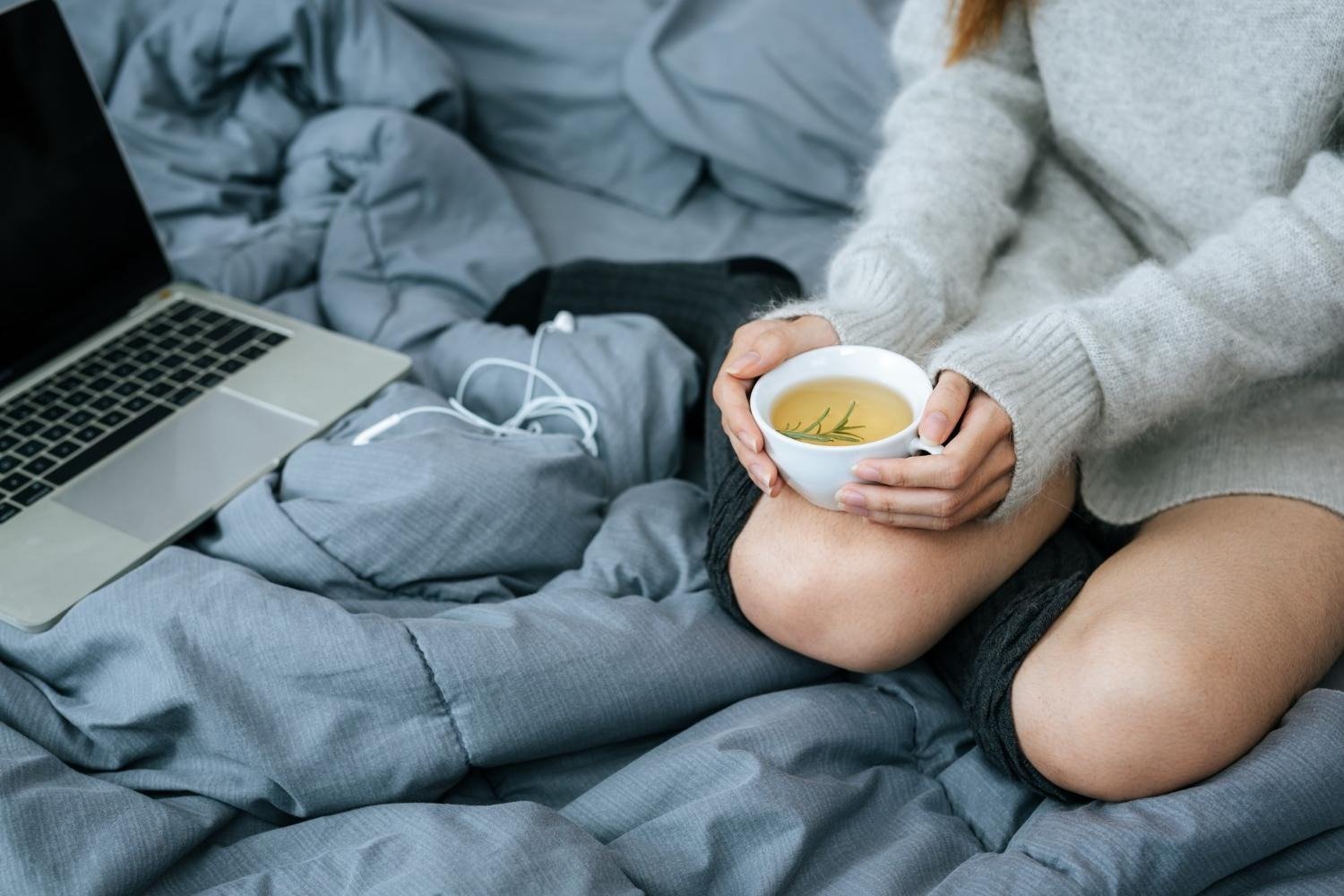

In recent years, conversations about wellness have shifted dramatically. What was once associated mainly with diet and exercise has expanded into a broader lifestyle philosophy that includes mental health, stress management, digital balance, and recovery. As modern life becomes increasingly fast-paced and connected, people are looking for new ways to relax, recharge, and maintain a sense of balance.
Technology has played a significant role in this transformation. From meditation apps and wearable health trackers to digital communities focused on self-care, the tools people use to support wellness are evolving quickly. At the same time, new products and lifestyle trends are emerging to complement these tools, offering individuals different approaches to relaxation and personal wellbeing.
Understanding how these developments intersect can help explain why modern wellness routines look very different from those of previous generations.
The Growing Importance of Relaxation in Modern Life
For many people, daily schedules are packed with work obligations, digital notifications, and constant information flow. While technology brings many advantages, it also contributes to mental fatigue and stress.
As a result, relaxation has become an intentional practice rather than something that simply happens at the end of the day. People now actively seek ways to decompress and step away from overstimulation.
Activities like yoga, journaling, guided meditation, and mindfulness exercises have become mainstream tools for managing stress. These practices help individuals slow down and regain mental clarity after long periods of focused activity.
Researchers have consistently found that regular relaxation practices can improve concentration, emotional stability, and overall wellbeing. According to the American Psychological Association, incorporating stress-management habits into daily life can significantly reduce the long-term health effects associated with chronic stress.
This growing awareness has fueled a broader cultural shift toward holistic wellness.
The Role of Digital Tools in Wellness
Technology is often blamed for creating stress, but it has also become an essential part of many wellness routines.
Mobile applications designed for meditation and sleep support now guide millions of users through breathing exercises, calming audio sessions, and mindfulness training. Wearable devices track sleep cycles, heart rate variability, and physical activity, giving individuals detailed insights into their health patterns.
These tools allow people to better understand their bodies and adjust their routines accordingly. For example, sleep-tracking data can reveal how evening habits affect rest quality, while fitness trackers help users maintain consistent activity levels.
Perhaps most importantly, technology has made wellness education more accessible. Podcasts, online communities, and digital publications now provide guidance on everything from nutrition and exercise to emotional wellbeing and personal growth.
As information becomes easier to access, individuals are empowered to experiment with different relaxation strategies that suit their lifestyles. Many also enhance their inner peace with Kalm readings, where experienced psychics offer personalized guidance to help reduce stress and bring greater clarity to daily life.
A Cultural Shift Toward Personal Recovery
Another significant change in modern wellness culture is the growing emphasis on recovery. For decades, productivity and constant activity were often viewed as signs of success. Today, many experts emphasize that recovery is equally important for maintaining performance and mental health.
Athletes have long understood this principle. Rest days, hydration, and muscle recovery are essential parts of any training program. Now, similar ideas are being applied to everyday life.
Professionals, students, and entrepreneurs increasingly recognize that sustainable productivity requires regular breaks and opportunities to unwind.
Even workplaces are beginning to acknowledge this reality. Flexible schedules, remote work policies, and wellness programs have become more common as organizations try to support employee wellbeing.
This cultural shift has created space for a wider variety of relaxation practices to emerge.
Alternative Wellness Products Enter the Mainstream
Alongside traditional relaxation methods, alternative wellness products have become more visible in lifestyle conversations. These products often focus on creating calming experiences or helping people disconnect from daily stress.
Consumers today are exploring many different options as they experiment with routines that help them relax after long days. Some people prefer herbal teas or aromatherapy, while others gravitate toward guided meditation, creative hobbies, or outdoor activities.
In recent years, cannabis-derived products have also entered the conversation in regions where they are legally available. Many companies now focus on creating products designed to provide controlled, convenient experiences for adult consumers.
For example, brands such as Koi CBD have developed product lines that combine modern manufacturing standards with evolving cannabinoid research. In markets where regulations permit these products, they have become part of the broader discussion around relaxation and lifestyle experimentation.
The rapid growth of this sector reflects how consumer preferences are evolving as people search for new ways to manage stress and unwind responsibly.
Balancing Innovation With Responsible Use
As wellness products and technologies continue to evolve, experts emphasize the importance of informed and responsible choices. Just as individuals research nutritional supplements or fitness programs, they should also understand the products they incorporate into their routines.
Transparency, product quality, and regulatory compliance are essential considerations. Consumers increasingly look for brands that provide detailed information about ingredients, manufacturing processes, and safety standards.
At the same time, wellness professionals often stress that no single product can replace healthy habits. Balanced nutrition, consistent sleep, physical activity, and meaningful social connections remain the foundation of long-term wellbeing.
Alternative wellness tools may complement these habits, but they should be viewed as part of a larger lifestyle framework rather than standalone solutions.
The Future of Personalized Wellness
One of the most interesting developments in the wellness industry is the move toward personalization. Advances in health technology are allowing individuals to tailor routines based on their unique needs and preferences.
For example, wearable devices can now analyze sleep patterns and suggest optimal bedtime schedules. Fitness platforms create customized exercise programs based on activity history and recovery metrics. Nutrition apps analyze dietary habits and recommend adjustments that support specific health goals.
As these technologies become more sophisticated, wellness routines will likely become even more individualized.
Rather than following generic advice, people will increasingly rely on data and experimentation to discover what helps them feel balanced, energized, and mentally clear.
A More Holistic Approach to Wellbeing
Ultimately, the modern wellness movement reflects a broader shift in how people think about health. Physical fitness, mental clarity, emotional resilience, and relaxation are now seen as interconnected parts of a larger system.
Technology has expanded access to tools that support these goals, while new lifestyle products and cultural attitudes continue to reshape how people unwind and recover.
For many individuals, building a sustainable wellness routine means combining multiple elements, digital tools, healthy habits, relaxation techniques, and mindful consumption.
As the conversation around wellbeing continues to evolve, one thing remains clear: in a world filled with constant stimulation, learning how to truly relax has become one of the most valuable skills a person can develop.