
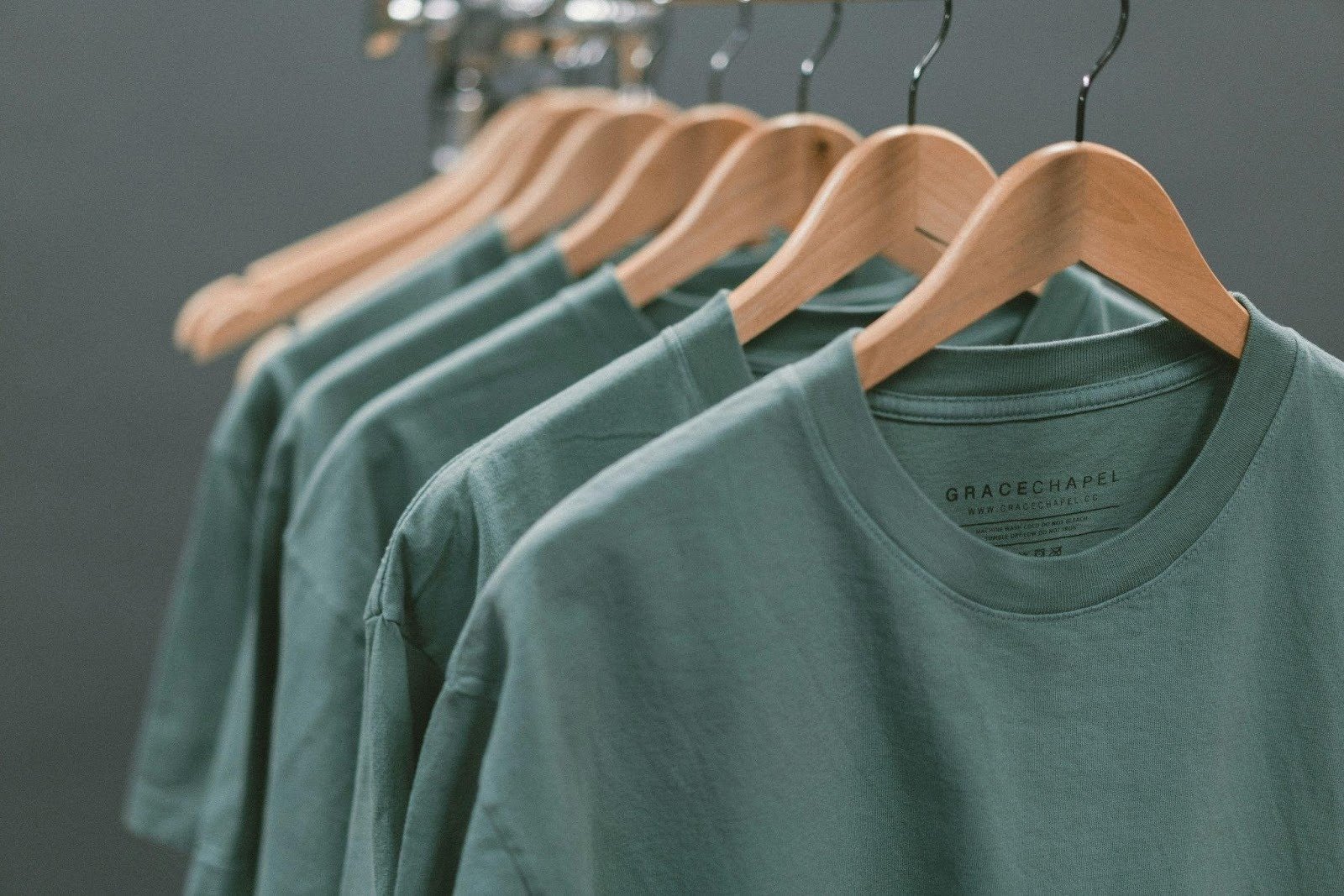

As everyday wardrobes have become looser, softer, and more informal, clearly occasion-based clothing has started to stand out in a different way. Instead of blending into the wider fashion cycle, it now reads as more intentional, because it preserves shape, coordination, and a sense of purpose that casual style often avoids. That contrast is one reason formal dressing still feels visually strong even when most day-to-day fashion keeps moving in the opposite direction.
That strength is not only about dressing up. Clothes chosen for worship, ceremony, and repeated public gatherings often carry more weight because they are tied to recognizable settings. When garments are built for occasions that ask for polish and presence, they tend to keep their authority longer than pieces designed only for flexibility or trend rotation.
Clothes Look Sharper When They Have a Clear Role
A lot of modern fashion is built around adaptability, with the expectation that one outfit should work almost anywhere. But some of the most memorable clothes are the ones that clearly belong to a specific kind of moment. When a garment is linked to ceremony, public presence, or repeated gatherings, it usually carries more visual certainty because it is shaped by context rather than by the need to stay neutral.
That is part of what gives occasion dressing its edge. A look often appears more elegant when its purpose is obvious, because clarity creates confidence. Instead of seeming limited, clothing with a defined role often feels more resolved, and that sense of resolution is usually what makes formal style look composed rather than forced.
Structure Still Matters When the Rest of Fashion Relaxes
The more casual everyday fashion becomes, the more noticeable structure feels. Tailoring, coordinated separates, and garments designed with a complete silhouette in mind create a stronger impression when surrounded by wardrobes built around ease and informality. That does not make structured clothing outdated; in many cases, it makes it easier to see.
This is especially true in categories where dressing well is part of the social expectation. When clothing is meant for recurring services, celebrations, or formal gatherings, proportion and coordination matter because the outfit has to communicate respect as well as style. In that setting, structure is not extra decoration. It is part of the message.
Occasionwear Holds Attention Because It Does Not Try to Be Casual
One reason occasion dressing remains persuasive is that it does not apologize for being formal. It is not designed to look effortless in the same way as casual basics, and that difference gives it much of its visual force. A garment built for a specific public setting can carry more presence because it is not trying to dissolve into the background.
That is why retailers such as https://designerchurchsuits.com/ fit naturally into this conversation. The site presents a large churchwear offering that includes suits, dresses, hats, quick-ship options, and multiple designer lines, while also describing itself as a long-running source for women’s church attire and special-occasion dressing.
Repetition Is What Turns Formal Dress Into Identity
Occasion clothing usually matters because it returns. A look worn once can make an impression, but a look worn for recurring services, events, and community gatherings gains meaning through repetition. Over time, the garment stops feeling like a single purchase and starts feeling tied to a routine of belonging.
That repeated use changes how style works. Instead of being judged only by novelty, the clothing becomes part of how a person is recognized in a public setting. In fashion terms, repetition often creates stronger identity than constant reinvention, and occasionwear benefits from that more than most categories do.
Public Dress Is Read Quickly, So Coordination Carries Weight
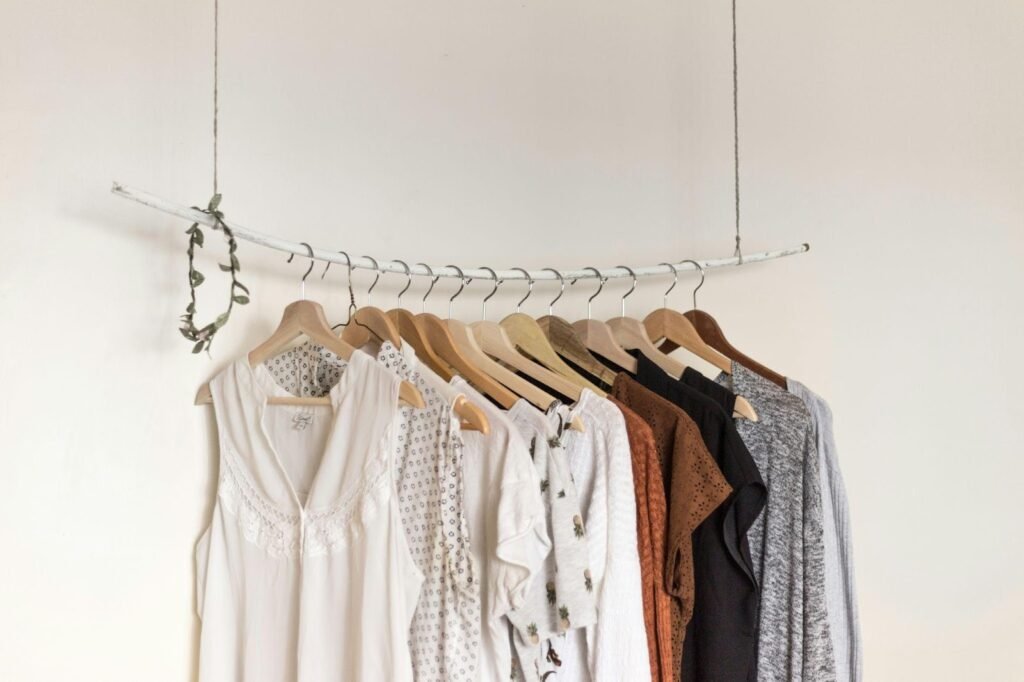
Formal clothing is usually judged at a glance. People notice whether the silhouette feels complete, whether the colors and accessories work together, and whether the overall impression seems intentional. That makes coordination especially important in occasionwear, because the outfit has to communicate clarity almost immediately.
This is one reason full systems of dress remain effective. When clothing is presented as part of a coordinated wardrobe rather than as an isolated item, it tends to project more assurance. Assurance is often what makes formal style look polished instead of merely elaborate, especially in social settings where dress still carries symbolic value.
Fashion History Keeps Returning to Defined Silhouettes
Even when fashion cycles change, silhouettes with clear structure tend to come back. The Metropolitan Museum of Art notes that the iconic 1950s New Look depended on a strongly articulated silhouette shaped by underlying structure, showing how much visual power fashion has historically attached to defined form rather than to looseness alone.
That historical pattern helps explain why occasion dressing never fully disappears. The details may change, but clothing with a visible silhouette keeps resurfacing because it satisfies a recurring desire for presence and composure. When everyday fashion leans heavily casual, that desire often becomes easier to notice rather than less relevant.
Occasionwear Feels Distinct Because Casual Style Now Dominates
When nearly everything around it becomes simpler and less formal, occasion dressing benefits from contrast. A coordinated suit or dress now looks more deliberate than it might have decades ago, not because the garment itself changed, but because the broader style environment around it did. Distinction often comes from context, and right now context favors anything with visible polish.
That contrast is part of the category’s appeal. Formal clothing does not need to compete on the same terms as casual basics, because its strength comes from offering something clearly different: shape, ceremony, and a visual standard that has not been softened into everyday sameness.
The Most Memorable Clothes Rarely Feel Random
The garments people remember most often are the ones that seem chosen for a reason. They do not feel detached from the situations in which they are worn, and they do not look interchangeable with the rest of the wardrobe. Instead, they appear connected to a role, a setting, or a form of public life that gives them extra meaning.
That is what allows occasion dressing to keep its edge when everything else goes casual. It offers more than decoration, because it still carries structure, repetition, and social purpose. In a fashion culture that increasingly rewards ease, clothes with that kind of clarity can feel even more powerful precisely because they refuse to become casual themselves.