
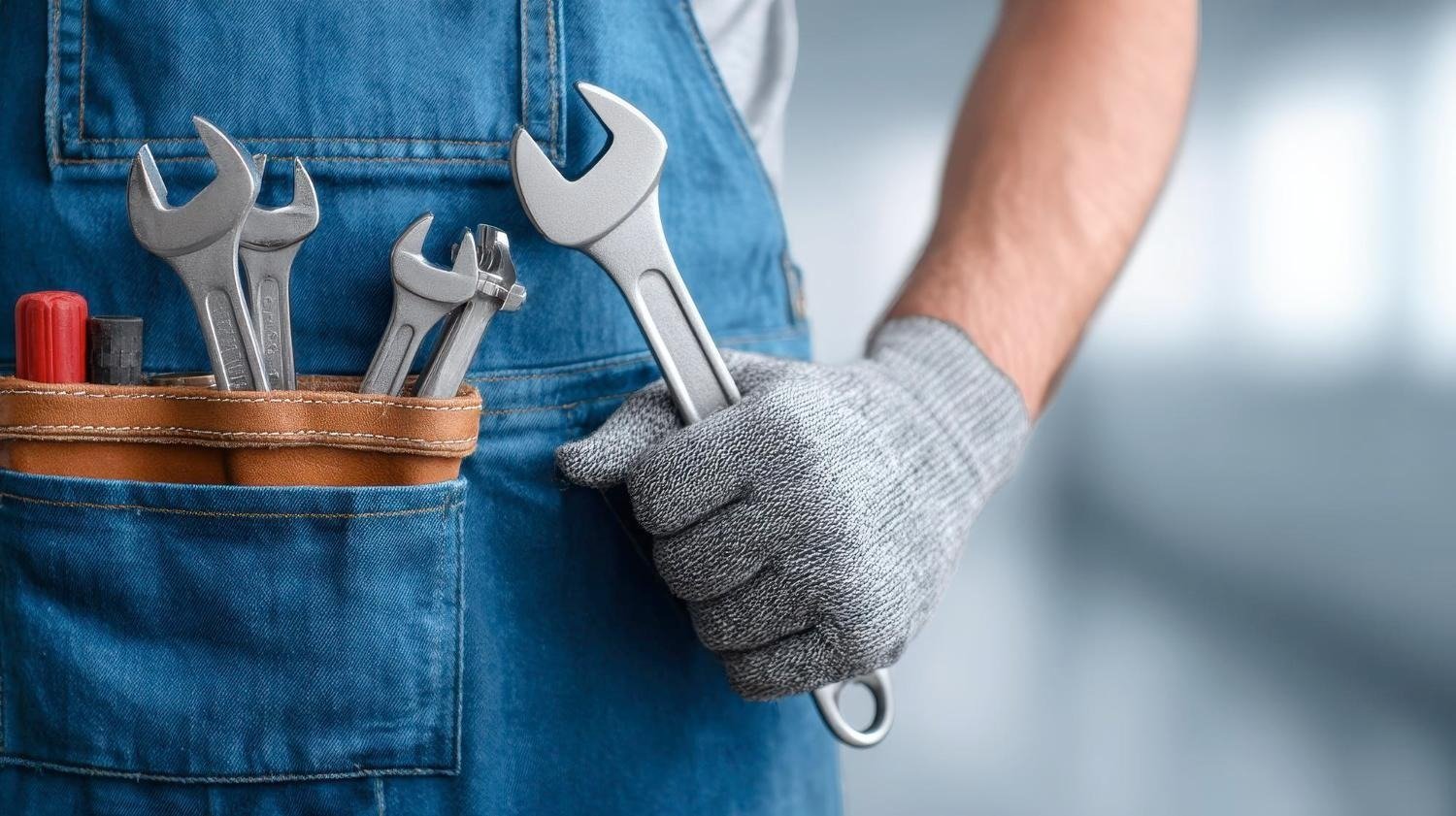

Maintenance rarely gets much attention. It doesn’t feel urgent, it doesn’t produce immediate results, and when everything is working as it should, it’s easy to forget it exists at all. Most people only start thinking about upkeep when something breaks, fades, or becomes impossible to ignore.
But the real value of maintenance isn’t in fixing problems. It’s in preventing them.
Small, consistent decisions, often made quietly and without much recognition, play a defining role in how well a home, a property, or even a workspace holds up over time. When these decisions are made intentionally, they don’t just preserve appearances. They protect structure, function, and long-term value in ways that are easy to underestimate until it’s too late.
Why Neglect Builds Gradually
One of the challenges with maintenance is that deterioration doesn’t happen all at once. It builds slowly, often invisibly.
A surface exposed to the elements begins to collect dirt, moisture, and debris. At first, it’s barely noticeable. Over time, that buildup can lead to staining, wear, or even structural damage. The same applies to driveways, siding, outdoor equipment, and walkways. What starts as a cosmetic issue can eventually become something more costly and complex.
Because the process is gradual, it’s easy to delay action. There is always a sense that it can wait, until it no longer can.
This is where preventative care makes the difference. Addressing small issues early keeps them from developing into larger problems that require more time, effort, and expense to resolve.
The Shift From Reactive to Preventative Thinking
Traditionally, maintenance has been reactive. Something breaks, and then it gets fixed. A surface becomes visibly dirty, and then it gets cleaned. This approach feels efficient in the moment, but it often leads to higher long-term costs.
Preventative maintenance operates differently. It is based on timing rather than urgency.
Instead of waiting for visible damage, it focuses on maintaining conditions before deterioration becomes significant. This doesn’t require constant attention. In most cases, it involves periodic checks, light upkeep, and using the right tools to handle specific tasks properly.
For example, exterior cleaning is often seen as optional, something done for aesthetic reasons. In reality, it plays a critical role in protecting materials from long-term exposure to contaminants. Having access to reliable equipment and guidance, such as what’s available through https://hotsyhouston.com/ allows property owners to approach these tasks more effectively, ensuring that cleaning is not just superficial, but protective.
What “Clean” Really Means
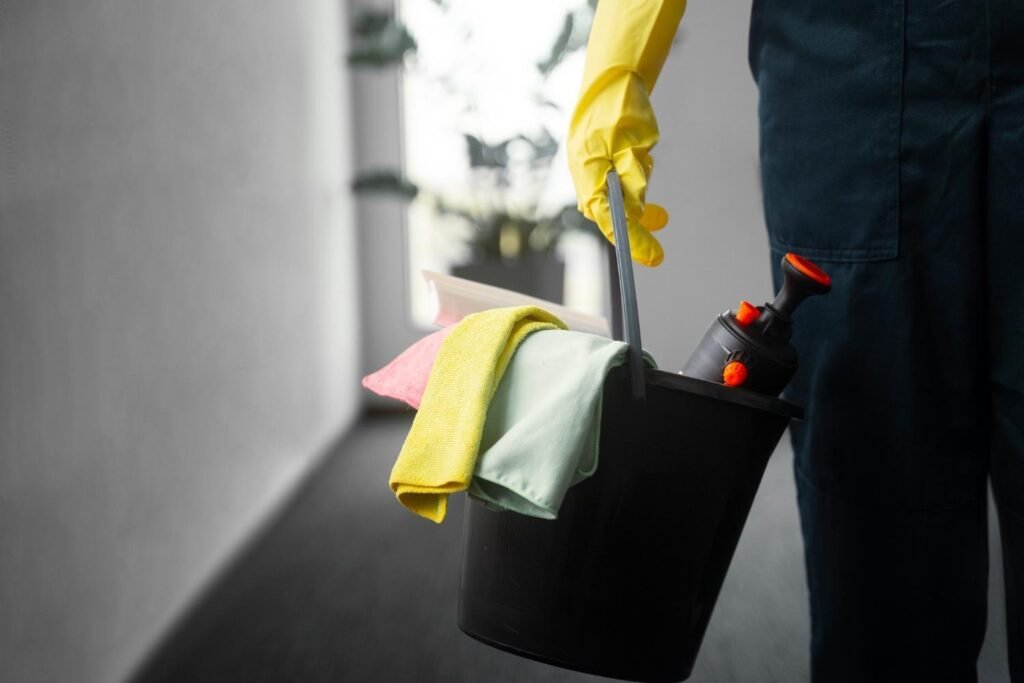
Cleanliness, particularly when it comes to exterior surfaces, is often misunderstood.
It’s not just about appearance. It’s about removing substances that contribute to wear. Dirt, mould, mildew, and environmental pollutants don’t just sit on surfaces, they interact with them. Over time, they can weaken materials, cause discolouration, and accelerate deterioration.
Regular cleaning interrupts that process.
When done properly, it helps maintain the integrity of surfaces, extends their lifespan, and reduces the likelihood of more serious repairs. This is especially important in areas exposed to changing weather conditions, where moisture and temperature fluctuations can amplify the effects of neglect.
The Cost of Waiting
One of the reasons maintenance is often postponed is because the cost of action is visible, while the cost of inaction is not.
Scheduling upkeep, investing in proper equipment, or dedicating time to maintenance tasks can feel like an unnecessary expense, especially when there are no immediate issues. But what is less visible is how quickly minor problems can escalate.
A surface that could have been cleaned and preserved may require repair or replacement if left unattended. Equipment that could have lasted years may degrade prematurely without proper care. These outcomes are not sudden; they are the result of accumulated neglect.
Preventative maintenance shifts this dynamic. It spreads effort over time, reducing the likelihood of large, unexpected expenses.
What Research Suggests About Maintenance and Efficiency
The importance of regular maintenance is supported by broader guidance on property and energy efficiency. The U.S. Department of Energy highlights that well-maintained systems and surfaces operate more efficiently and last longer, reducing both costs and environmental impact over time.
While much of this guidance focuses on energy systems, the principle applies more broadly. When materials are kept in good condition, they perform as intended. When they are neglected, efficiency declines, and strain increases.
Maintenance, in this sense, is not just about preservation, it is about performance.
Building Maintenance Into Routine
One of the most effective ways to approach maintenance is to make it part of an existing routine rather than treating it as a separate task.
This doesn’t require large blocks of time. It can be as simple as periodic checks, seasonal cleaning, or addressing small issues as they arise. The goal is consistency, not intensity.
When maintenance becomes routine, it loses the sense of inconvenience. It becomes something that supports the overall functioning of a space rather than interrupting it.
This approach also makes it easier to notice changes early. Small signs of wear or buildup are more visible when you are already paying attention, allowing for quicker and simpler interventions.
A Different Way of Thinking About Care
At its core, maintenance is about care.
It reflects an understanding that things don’t stay in good condition on their own. They require attention, not constant, but consistent. That attention doesn’t need to be complex or time-consuming. It simply needs to be intentional.
When viewed this way, maintenance stops feeling like an obligation and starts to feel like an investment. It is a way of protecting what you already have, ensuring that it continues to function well and retain its value.
The Long-Term Impact of Small Decisions
The most important aspect of maintenance is that it is cumulative.
Each small decision, whether to clean, repair, or check something, builds over time. Individually, these actions may not seem significant. Together, they determine how well a property or space holds up over the years.
Ignoring maintenance doesn’t create immediate consequences, which is why it is so easy to overlook. But over time, the impact becomes clear.
By contrast, consistent upkeep creates stability. It reduces uncertainty, lowers long-term costs, and ensures that everything continues to function as it should.
Why It Matters More Than It Seems
Maintenance doesn’t attract attention because it is not dramatic. It happens quietly, often in the background, without recognition.
But its effects are far-reaching.
It shapes how spaces look, how they function, and how long they last. It influences costs, efficiency, and even the experience of living or working in a particular environment.
In a world that often prioritises quick results and visible outcomes, maintenance offers something different. It is steady, consistent, and focused on the long term.
And that is exactly where its value lies.