
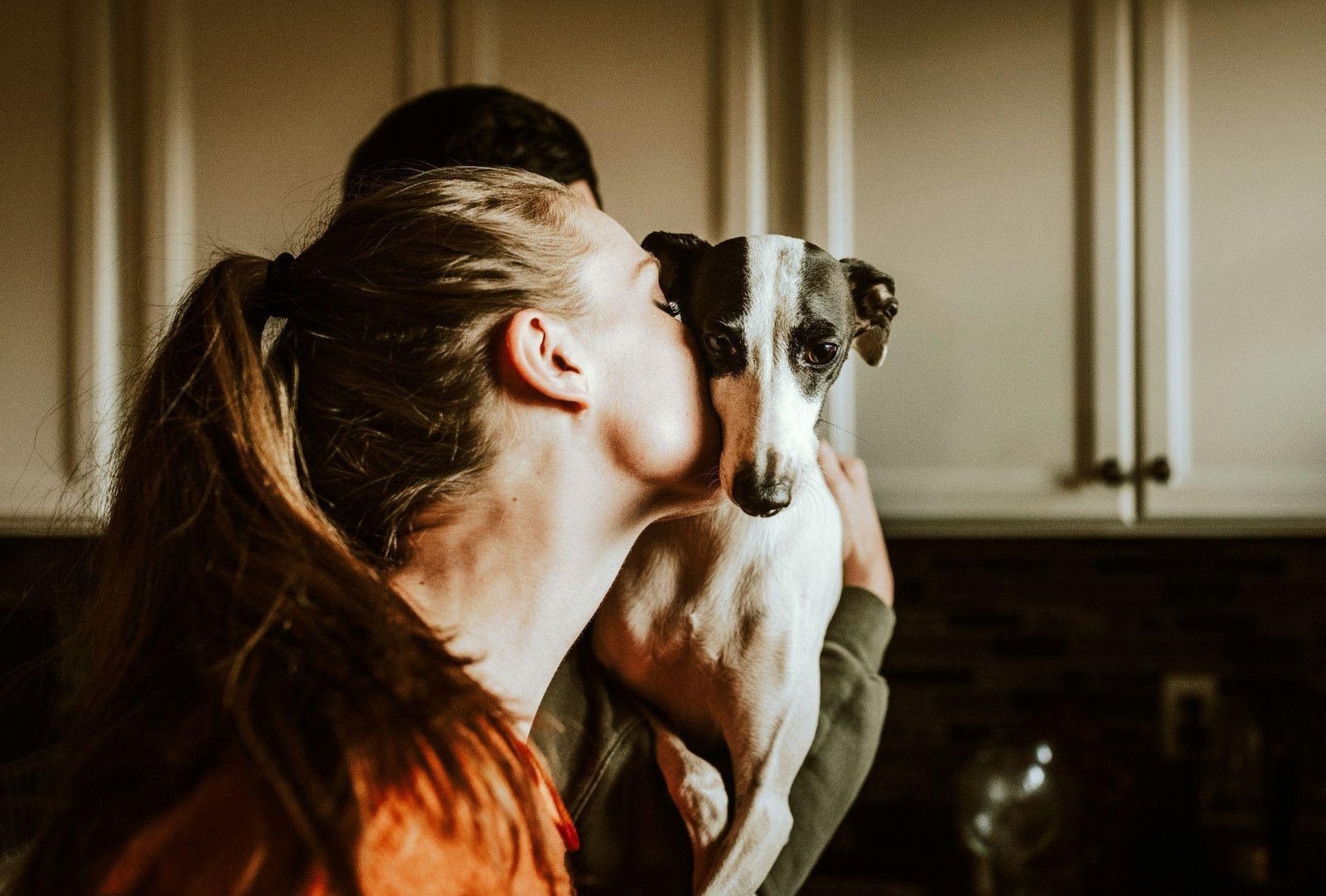

Most dog owners are not emotionally prepared for the first moment their dog struggles to stand up. It rarely happens dramatically at first. A dog rocks slightly before getting balance. The back legs hesitate after a nap. Rising from the floor suddenly takes visible effort instead of happening automatically like it always did before.
For many families, that moment changes the emotional atmosphere of the home almost immediately. Owners begin paying attention differently. Everyday routines start feeling more fragile. Small movements that once went unnoticed suddenly carry emotional weight because they reveal that the dog is no longer moving comfortably through ordinary life.
What surprises people most is that mobility decline does not only affect the dog physically. It changes how families experience time, routine, patience, and emotional attachment inside the home too.
Owners Start Noticing Every Movement
One thing that changes quickly after mobility struggles begin is awareness. People start watching their dog constantly without even realizing it. Standing up from the bed, climbing stairs, jumping into the car, walking across slippery floors, all of it suddenly feels emotionally significant.
Movements that once looked automatic now look vulnerable. Owners begin recognizing how much physical effort ordinary routines actually require for aging or injured dogs.
This emotional shift can feel overwhelming at first because people naturally compare the dog’s current movement to years of effortless energy they became used to seeing every day. Even small hesitation starts carrying emotional meaning once families realize mobility is changing.
The house itself begins feeling different because movement inside it no longer feels simple or guaranteed.
Dogs Usually Try to Hide the Problem
One reason mobility decline affects owners so deeply is that dogs often continue trying to behave normally even while struggling physically. Many dogs still greet people at the door, follow family members room to room, and attempt normal routines long after movement becomes uncomfortable.
That effort can make the physical decline feel even more emotional because owners realize the dog is still trying to participate fully despite the body becoming less reliable.
Dogs naturally adapt around discomfort quietly. Some walk more slowly. Others avoid certain surfaces or rest longer between activities. Many continue functioning well enough that families underestimate how exhausting ordinary movement has already become.
The emotional difficulty often comes from realizing how long the dog may have been compensating silently before the problem became obvious.
Families Start Reshaping the Home Around Comfort
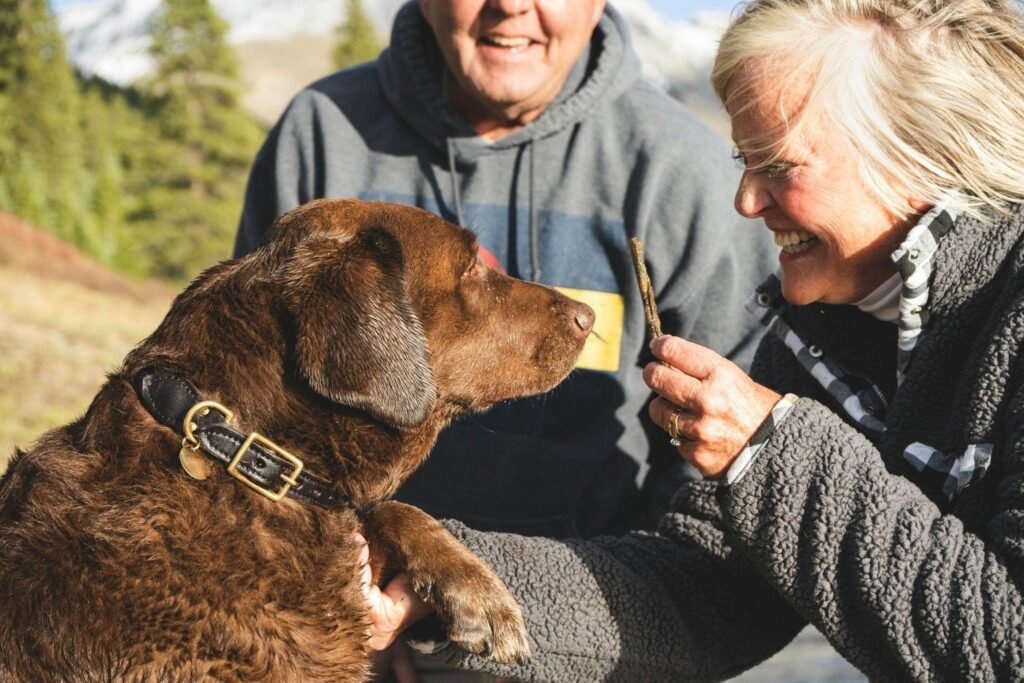
Once mobility problems become visible, homes usually begin changing naturally around the dog’s needs. Rugs appear on slippery floors. Furniture layouts shift slightly. Beds move closer to common areas. Families stop expecting the dog to climb stairs repeatedly throughout the day.
These adjustments rarely feel dramatic individually, but together they reshape how the household functions emotionally and physically.
People also become more patient with routines. Walks slow down. Outdoor breaks become gentler. The pace of daily life changes because everyone starts moving around the dog’s comfort instead of assuming the dog will simply keep up automatically forever.
The emotional bond often deepens during this stage because care becomes more intentional.
Mobility Support Changes Emotional Energy Too
One thing many owners discover is that physical support can change emotional behavior significantly too. Dogs dealing with mobility frustration sometimes become withdrawn, hesitant, or anxious because movement no longer feels reliable.
Helping dogs regain safer movement often improves confidence as much as physical mobility itself. Families exploring options such as Walkin Pets are usually trying to preserve independence, comfort, and emotional participation in daily life rather than simply extending movement mechanically.
Dogs still want involvement. They still want walks, outdoor smells, attention, and the ability to stay connected to ordinary routines. Mobility support often helps reduce frustration by making those experiences feel possible again instead of exhausting constantly.
The emotional difference can appear surprisingly quickly once movement feels safer.
Owners Become More Emotionally Present
Another unexpected change is that people often become more emotionally attentive after mobility struggles begin. Small moments gain importance. A comfortable walk feels meaningful. Seeing the dog stand up more easily one morning suddenly feels like a major victory.
Families tend to slow down and appreciate ordinary routines differently because they become more aware that physical ability changes over time. Evening routines feel calmer. Time spent together feels more intentional.
Many owners describe becoming more patient overall during this stage because caring for a slower-moving dog changes how they experience daily life emotionally too.
The Hardest Part Is Realizing Time Is Moving
What affects people most deeply is usually not the physical limitation itself. It is the realization that time is moving forward in a way they cannot completely stop.
Watching a dog struggle to stand up forces owners to notice aging more directly than they often expect. The dog that once ran endlessly now needs help navigating ordinary parts of the home. That emotional contrast can feel surprisingly heavy even when the dog still seems happy overall.
At the same time, many families also discover that slowing down does not automatically reduce joy. Dogs still seek comfort, affection, outdoor time, routines, and emotional connection even when movement changes dramatically.
The relationship itself usually becomes quieter, gentler, and more emotionally meaningful during this stage. Sometimes the hardest moments also become the ones owners remember most clearly later because they reveal how deeply everyday companionship mattered all along.