
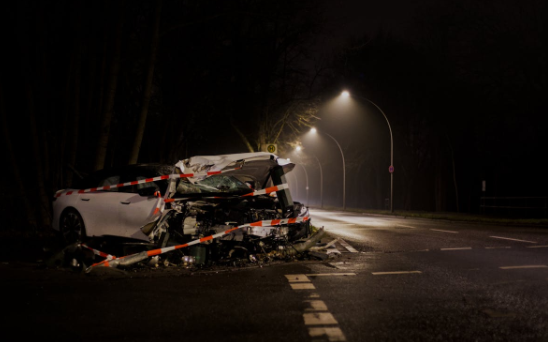

According to the Nebraska Department of Transportation’s 2023 crash data, over 28,000 motor vehicle accidents occurred statewide, with Douglas County — home to Omaha — accounting for nearly a quarter of all reported crashes. Yet despite these sobering numbers, most drivers remain unprepared for the complex aftermath that follows even minor collisions. Between Nebraska’s comparative negligence laws, insurance claim procedures, and the critical decisions required in the first hours after a crash, the difference between informed action and costly mistakes often determines financial outcomes for years to come.
The reality facing Omaha drivers extends beyond simple fender-benders. Rising traffic volumes on major corridors like Dodge Street and West Dodge Road, combined with harsh winter weather conditions and an increasing prevalence of distracted driving, create a perfect storm for serious accidents. For anyone navigating this landscape, understanding the immediate steps to take, the legal framework governing claims, and the resources available for recovery isn’t just helpful — it’s essential protection against an unpredictable but statistically likely scenario.
What Steps Should You Take Immediately After an Omaha Car Accident?
The moments following a collision often feel chaotic, but your actions during this critical window can significantly impact both your safety and any future legal proceedings. Nebraska law requires specific steps that protect not only your immediate wellbeing but also your ability to seek compensation later.
First, assess the situation for injuries and move to safety if possible. If anyone appears hurt or if vehicles are blocking traffic, call 911 immediately. Nebraska Revised Statute 60-696 mandates that accidents involving injury, death, or property damage exceeding $1,500 must be reported to law enforcement. In Omaha, this means contacting the Omaha Police Department, who will dispatch officers to document the scene and file an official crash report.
Document everything while details remain fresh. Take photos of vehicle damage, the accident scene, road conditions, and any visible injuries. Collect contact information from all drivers involved, including insurance policy numbers and driver’s license details. If witnesses are present, get their names and phone numbers — their accounts often prove crucial if liability disputes arise later. Nebraska follows a comparative negligence system, meaning even if you’re partially at fault, you may still recover damages proportional to the other party’s responsibility.
Exchange only factual information with other drivers. Avoid discussing fault or making statements like “I’m sorry” that could be misinterpreted as admissions of guilt. Stick to basic details: what happened, when, and where. Insurance adjusters will later analyze police reports, witness statements, and physical evidence to determine liability — your job at the scene is simply to ensure accurate documentation.
Contact your insurance company as soon as safely possible, typically within 24 hours. Nebraska requires all drivers to carry minimum liability coverage of $25,000 per person and $50,000 per accident for bodily injury, plus $25,000 for property damage. However, these minimums often fall short of covering serious injuries or totaled vehicles, making the accuracy of your initial claim report particularly important.
How Does Nebraska Law Affect Car Accident Claims and Compensation?
Nebraska’s legal framework creates specific opportunities and limitations that directly influence how much compensation accident victims can recover. Understanding these rules helps clarify what to expect and when professional legal guidance becomes essential.
The state operates under a comparative negligence system, which means you can still recover damages even if you’re partially responsible for the accident — as long as your fault doesn’t exceed 50%. For example, if you’re found 20% at fault for an accident that caused $100,000 in damages, you could still recover $80,000. This system differs significantly from states with contributory negligence rules, where any fault at all bars recovery entirely.
Nebraska’s statute of limitations gives accident victims four years to file personal injury lawsuits and four years for property damage claims. While this might seem generous, waiting too long can severely compromise your case. Witnesses relocate, memories fade, and crucial evidence disappears. Insurance companies also interpret delays as signs of weak claims, often reducing settlement offers accordingly.
Damage caps present another crucial consideration. While Nebraska doesn’t limit economic damages like medical bills and lost wages, the state caps non-economic damages (pain and suffering) at $2.25 million for most cases. For accidents occurring before 2014, this cap was significantly lower, making the timing of your accident legally relevant to potential recovery amounts.
The state’s insurance requirements create additional complexity. Nebraska is an “at-fault” state, meaning the driver who caused the accident bears financial responsibility. However, many drivers carry only minimum coverage, leaving substantial gaps when serious injuries occur. Uninsured and underinsured motorist coverage becomes critical protection, though it’s not required by law. When dealing with severe injuries that exceed available insurance coverage, victims often need skilled car accident lawyer serving Omaha to explore all potential sources of compensation, including pursuing personal assets of at-fault drivers.
What Are the Common Causes of Car Accidents in Omaha and How Can They Be Prevented?
Omaha’s unique geographic and infrastructural characteristics contribute to specific accident patterns that reflect both national trends and local challenges. Understanding these causes offers insight into prevention strategies and helps drivers recognize high-risk situations before they escalate.
Intersection accidents dominate Omaha’s crash statistics, particularly at major intersections along Dodge Street, West Dodge Road, and 72nd Street. The city’s grid system creates numerous four-way stops and traffic-controlled intersections where driver attention lapses prove costly. Red-light running and failure to yield right-of-way account for a significant portion of these crashes, often resulting in dangerous T-bone collisions with severe injury potential.
Weather-related accidents surge during Nebraska’s harsh winter months. Ice, snow, and reduced visibility create hazardous driving conditions that catch many drivers unprepared. The transition periods — when temperatures hover around freezing — prove particularly treacherous as road surfaces alternate between wet and icy conditions. Omaha’s Public Works Department treats major arterials first, leaving residential streets and side roads hazardous for extended periods.
Distracted driving represents a growing concern across Omaha, mirroring national trends. Cell phone use, navigation systems, and in-vehicle entertainment create cognitive distractions that significantly increase crash risk. The city’s sprawling suburban development means many residents spend considerable time commuting, creating more opportunities for attention to wander during familiar drives.
Prevention strategies focus on both individual behavior and infrastructure improvements. The City of Omaha has invested in traffic signal optimization, improved street lighting, and enhanced road signage at accident-prone locations. Individual drivers can reduce risk by maintaining proper following distances, avoiding phone use while driving, and adjusting speed for weather conditions. Regular vehicle maintenance — particularly tire tread depth and brake system checks — becomes crucial during winter months when stopping distances increase dramatically.
How Can You Navigate Insurance Claims and Find Legal Representation After an Omaha Accident?

The insurance claim process often determines whether accident victims receive fair compensation or find themselves struggling with medical bills and vehicle repairs they can’t afford. Understanding this process and knowing when to seek professional help can make the difference between financial recovery and years of hardship.
What is the Insurance Claim Process Like After a Car Accident in Omaha?
Filing an insurance claim begins with your initial report to your insurance company, but the process quickly becomes more complex than most people anticipate. Insurance adjusters — who work for the insurance company, not for you — will investigate the accident, review police reports, and assess damages. Their goal is to settle claims for the lowest reasonable amount, which often conflicts with your goal of receiving full compensation for your losses.
Expect multiple rounds of documentation requests. Adjusters typically ask for medical records, employment verification, vehicle repair estimates, and detailed accounts of how the accident occurred. They may also request recorded statements, which can later be used to minimize your claim if you inadvertently say something that suggests partial fault or downplays your injuries.
Property damage claims generally move faster than injury claims, but even these can become complicated. Insurance companies often prefer their own approved repair shops and may dispute the necessity of certain repairs or replacement parts. If your vehicle is declared a total loss, expect negotiations over its actual cash value — a figure that may fall short of what you owe on a car loan or what you’d need to purchase a comparable replacement.
Common disputes arise over injury severity, treatment necessity, and the connection between the accident and your claimed injuries. Insurance companies frequently employ tactics like delaying claim processing, requesting excessive documentation, or offering quick settlements that seem attractive but fall short of covering long-term needs. Understanding these patterns helps you recognize when you’re being treated fairly versus when you might need professional assistance.
What Legal Options Are Available to Omaha Car Accident Victims?
When insurance negotiations stall or offers seem inadequate, consulting with a personal injury attorney becomes a strategic consideration rather than a last resort. Legal representation levels the playing field between individual accident victims and well-resourced insurance companies with teams of adjusters and lawyers.
Most personal injury attorneys work on contingency fee arrangements, meaning they receive payment only if they secure compensation for you. This structure aligns their incentives with yours and makes legal representation accessible even when you’re facing medical bills and lost income. Typical contingency fees range from 25% to 40% of any settlement or judgment, with the percentage often increasing if the case proceeds to trial.
The decision to hire an attorney often depends on injury severity and insurance company behavior. Minor accidents with clear fault and cooperative insurance companies may not require legal representation. However, cases involving serious injuries, disputed liability, or uncooperative insurers benefit significantly from professional legal guidance. Attorneys understand how to document claims properly, negotiate effectively, and recognize when settlement offers fall below fair value.
Settlement negotiations can extend for months or even years, particularly in cases involving ongoing medical treatment. Experienced attorneys know not to settle too quickly, as rushing to close a claim before understanding the full extent of injuries and their long-term impact often results in inadequate compensation. They also understand Nebraska’s comparative negligence laws and how to minimize fault attributions that could reduce your recovery.
What Should You Know About Physical and Psychological Recovery After a Car Accident in Omaha?
Recovery from a car accident extends far beyond repairing vehicles and processing insurance claims. The human cost — both physical and psychological — often proves more complex and longer-lasting than most people anticipate, requiring comprehensive medical evaluation and support.
Delayed-onset injuries complicate the immediate aftermath of many accidents. Adrenaline and shock can mask pain and injury symptoms for hours or even days after a collision. Whiplash, concussions, and soft tissue injuries frequently don’t manifest symptoms until 24-72 hours later. This delayed presentation creates challenges for both medical treatment and insurance claims, as insurers may question the connection between late-reported symptoms and the original accident.
Omaha offers numerous medical facilities specializing in accident-related injuries, from emergency departments at Nebraska Medical Center and Methodist Hospital to specialized orthopedic and neurological practices. Establishing medical care promptly — even if you feel fine initially — creates crucial documentation linking any later symptoms to the accident. This medical record becomes essential evidence if insurance disputes arise.
Psychological trauma following serious accidents often receives insufficient attention, despite research showing that up to 25% of accident victims develop symptoms of post-traumatic stress disorder. Anxiety about driving, flashbacks to the collision, and sleep disturbances can significantly impact quality of life and ability to work. Mental health treatment, like physical therapy, represents a legitimate component of accident recovery that should be documented and included in any compensation claims.
The path forward requires patience and comprehensive care. What seems like a minor incident can develop into months of physical therapy, ongoing pain management, or psychological counseling. Rather than rushing to close the book on an accident experience, the most successful recovery approaches acknowledge the full scope of potential impacts and ensure that both immediate needs and long-term consequences receive appropriate attention and resources.
