
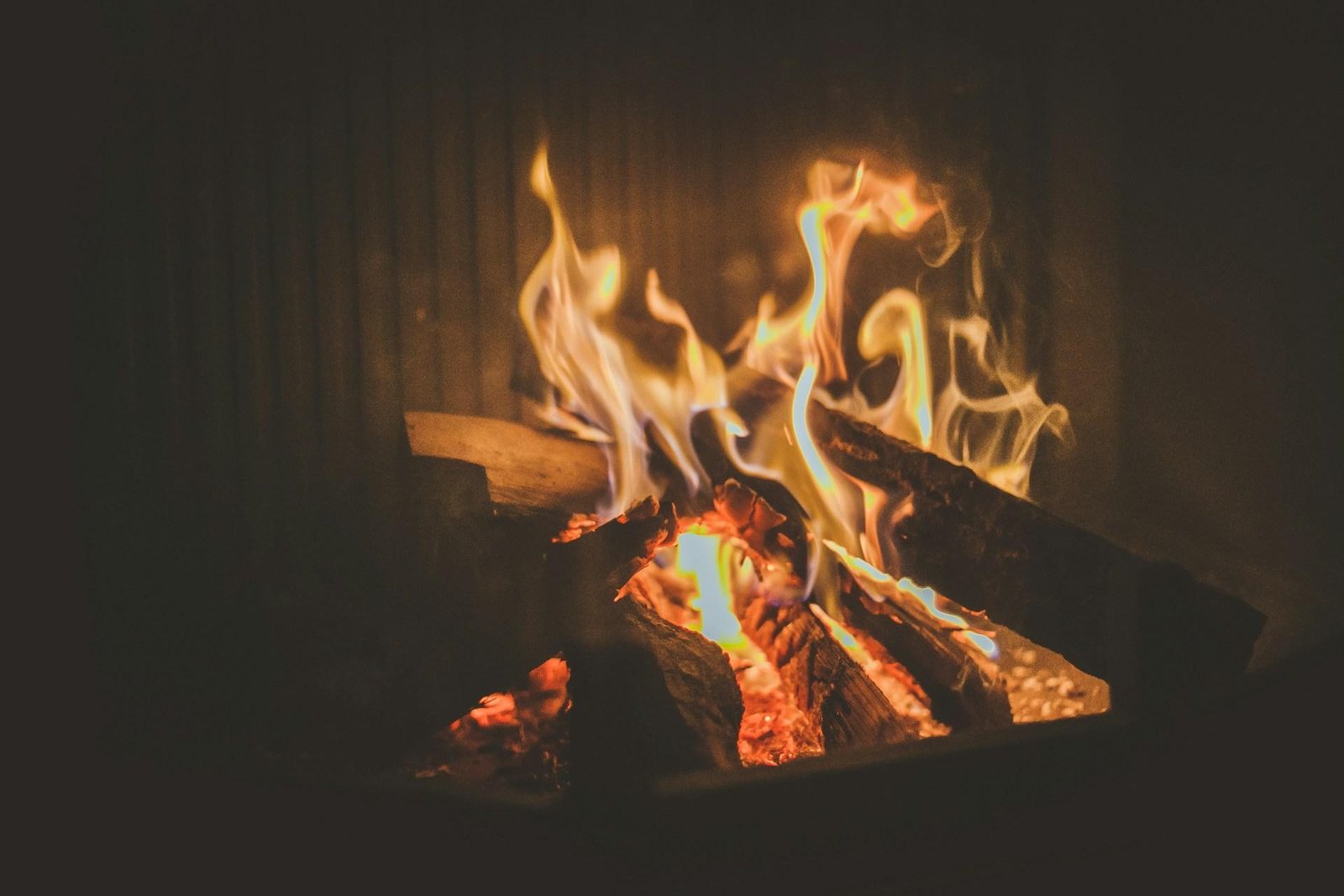

For many homeowners, especially those in rural or semi-rural areas, firewood is more than a nostalgic tradition, it’s a practical source of heat, a backup during outages, and a way to stay connected to hands-on home maintenance. As interest in self-sufficiency grows, more people are researching better ways to process and manage their own wood supply. That’s why educational resources from companies like Equipment Outfitters are increasingly part of the conversation, helping homeowners understand modern options for safer and more efficient firewood preparation. Preparing firewood today is less about brute force and more about informed choices.
While the image of splitting logs with an axe still holds appeal, the reality is that modern homeowners balance tradition with practicality. Efficiency, safety, and long-term planning now guide how people approach this seasonal task.
Why Firewood Still Plays an Important Role
Despite advances in heating systems, firewood remains relevant. Wood-burning stoves and fireplaces provide steady warmth and can help reduce heating bills when used correctly. In some homes, they serve as a primary heat source; in others, they act as supplemental or emergency heating.
Outdoor living trends have also kept firewood in demand. Fire pits, wood-fired ovens, and camping activities all rely on well-prepared wood. The result is steady interest in reliable firewood preparation methods.
The Difference Between Good and Poor Firewood
Not all firewood is equal. The quality of preparation directly affects how wood burns. Poorly prepared wood tends to:
- Produce more smoke
- Burn at lower temperatures
- Create excess creosote in chimneys
- Require more frequent refueling
Well-prepared firewood burns hotter, cleaner, and more consistently. That improves both comfort and safety.
Seasoning: The Step That Makes or Breaks Firewood
One of the most important aspects of firewood preparation is seasoning. Freshly cut wood contains a high level of moisture, which makes it inefficient for burning. Seasoned wood has been dried long enough for moisture content to drop to a suitable level.
Most hardwoods need six to twelve months to season properly. Achieving this requires:
- Splitting logs to expose interior wood
- Stacking wood off the ground
- Allowing airflow between rows
- Covering the top while leaving sides open
Experienced wood burners often prepare firewood a full year in advance. This forward planning makes winter heating far easier.
The Physical Demands of Traditional Splitting
Splitting wood manually can be rewarding, but it’s also physically demanding. Repeated swinging, lifting, and bending can strain muscles and joints. For some people, it’s enjoyable work. For others, it becomes exhausting quickly.
Fatigue increases the risk of injury. Back strains, hand injuries, and mis-swings are common issues when people rush or work beyond their limits. This is one reason modern equipment has become more popular, it reduces repetitive strain while maintaining control over the task.
What Research Says About Burning Wood
The U.S. Environmental Protection Agency (EPA) emphasizes that properly seasoned firewood burns more completely and produces fewer emissions than wet or green wood. Efficient combustion reduces smoke and helps maintain better air quality.
This underscores a key point: firewood preparation affects not only convenience but also environmental impact. Responsible burning starts with responsible preparation.
Planning Ahead Makes a Big Difference

A common mistake among new wood burners is waiting until fall to prepare firewood. This often leads to burning wood that hasn’t dried sufficiently. The result is lower heat output and more smoke.
Planning ahead spreads the workload across the year. Cutting and splitting in spring or early summer gives wood ample time to season. It also avoids the rush when temperatures drop.
Safety Should Always Be a Priority
No matter how firewood is prepared, safety must come first. Basic precautions include:
- Wearing gloves and eye protection
- Maintaining a stable work surface
- Keeping bystanders away
- Using proper lifting techniques
It’s also important to stay focused. Distractions during wood preparation can lead to accidents.
Firewood and the Idea of Self-Reliance
For many people, preparing firewood is about more than heating. It reflects a mindset of preparedness and independence. Having a stacked woodpile ready for winter provides peace of mind.
There’s also a sense of accomplishment in seeing the results of your work. A neatly stacked pile represents planning, effort, and readiness for colder months.
Tradition Meets Modern Practicality
Firewood preparation connects people to long-standing traditions, but it doesn’t need to remain stuck in the past. Many homeowners now blend traditional knowledge with modern tools and methods. They respect the craft while choosing solutions that save time and reduce strain.
This balanced approach makes firewood preparation accessible to more people, regardless of age or physical strength.
As energy awareness and interest in self-reliance continue to grow, firewood will likely remain part of many households. What’s changing is how people approach it. Efficiency, safety, and environmental responsibility now shape decisions more than ever.
At its heart, firewood preparation is about readiness. It’s about making thoughtful use of resources and preparing for seasonal change. When done well, it provides warmth, comfort, and a sense of security.
And in a fast-moving world, there’s something grounding about stacking wood you prepared yourself, knowing it will keep your home warm when it matters most.