
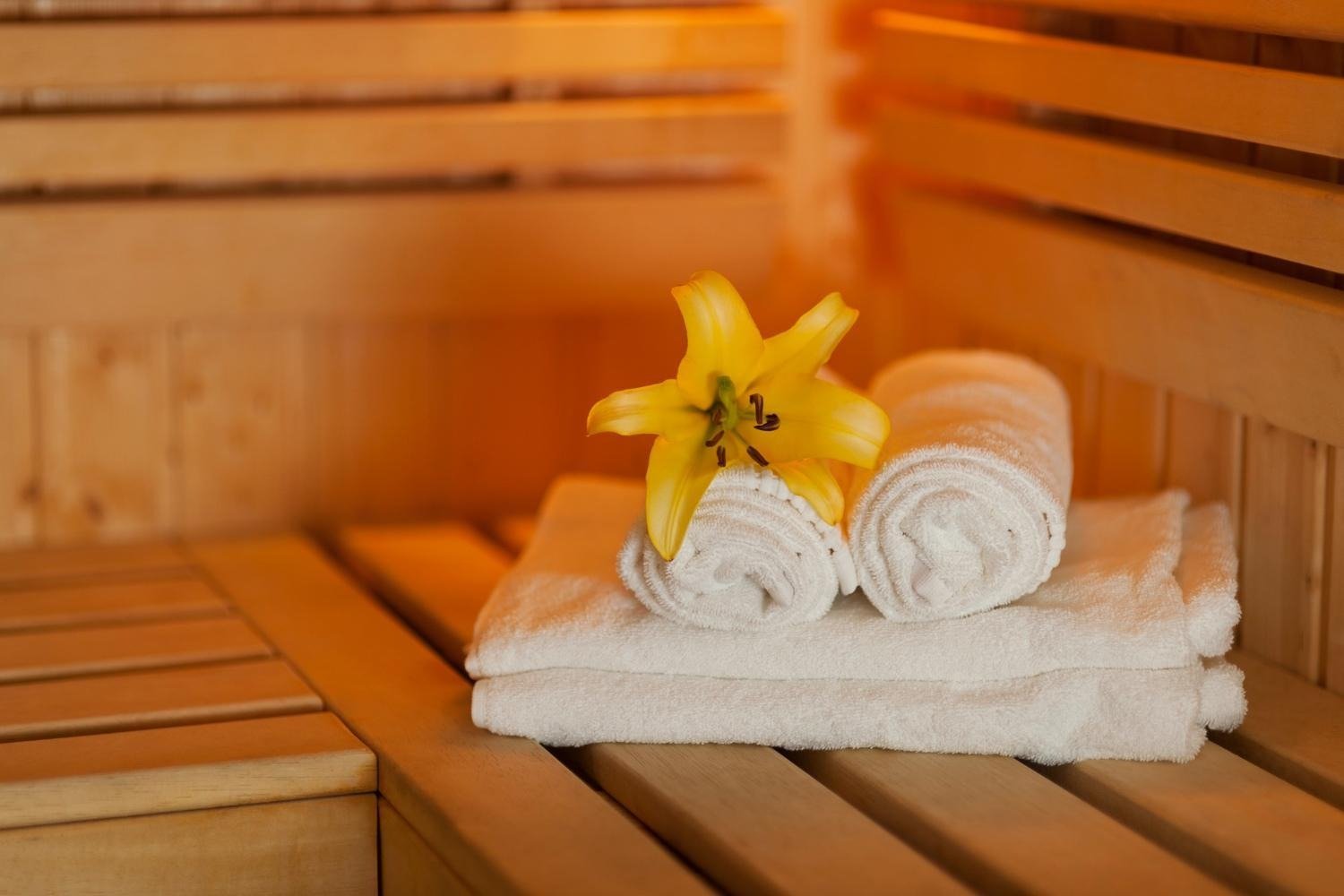

Modern life rarely slows down on its own. Even moments that are meant for rest are often filled with distractions, notifications, background noise, and the subtle pressure to remain connected. In this environment, stillness does not happen naturally. It has to be created.
This is why certain practices, once considered traditional or even outdated, are quietly returning. They offer something that feels increasingly rare: a complete break from constant input. Among these, sauna culture stands out, not as a trend, but as a method of stepping out of the noise and into a more focused, physical experience of rest.
The Simplicity of Heat
At its core, the sauna is remarkably simple. It is a space defined by warmth, enclosure, and time. There are no complex instructions, no need for multitasking, and no external demands. The experience is direct: you sit, you breathe, and you feel the heat.
This simplicity is part of its appeal. In a world where many forms of relaxation are layered with options and choices, the sauna removes complexity. It offers a singular experience that encourages presence.
The body responds first, muscles relax, circulation increases, but the mind follows. Without external stimulation, attention gradually shifts inward, creating a sense of calm that is difficult to replicate in more fragmented environments.
Why It Resonates Now
The resurgence of sauna culture is not accidental. It reflects a broader shift in how people think about well-being. There is a growing recognition that rest is not just about stopping activity, but about creating the right conditions for recovery.
Passive forms of relaxation, scrolling, streaming, background engagement, do not always provide this. They occupy attention without fully releasing it. The sauna, by contrast, demands a different kind of participation. It encourages stillness, and in doing so, allows the body and mind to reset more completely.
This shift toward more intentional forms of rest is shaping how people design their routines and their spaces.
Bringing the Experience Home
As the desire for intentional rest grows, so does the interest in bringing these experiences into the home. Rather than relying on external locations, people are exploring ways to create environments that support relaxation within their own spaces.
As the desire for intentional rest grows, so does the interest in bringing these experiences into the home. Rather than relying on external locations, people are exploring ways to create environments that support relaxation within their own spaces. This often leads them to explore tailored solutions like Premium Saunas, where different sauna types, materials, and installation options are presented in a way that helps translate traditional wellness practices into modern living environments. By understanding how these systems are designed to fit both compact and larger spaces, it becomes easier to turn occasional relaxation into a consistent, accessible routine.
The Body’s Response to Heat
The physical effects of heat have been studied for decades, providing a scientific foundation for what many cultures have long understood intuitively. Exposure to controlled heat can support circulation, promote muscle relaxation, and contribute to an overall sense of well-being.
According to the Harvard Health Publishing, regular sauna use may offer cardiovascular benefits and support relaxation, particularly when incorporated into a balanced lifestyle. While the experience itself is simple, its effects can be far-reaching.
This connection between physical sensation and mental state is part of what makes sauna use so effective. It creates a feedback loop, where the body’s response reinforces the mind’s sense of calm.
Space as an Experience
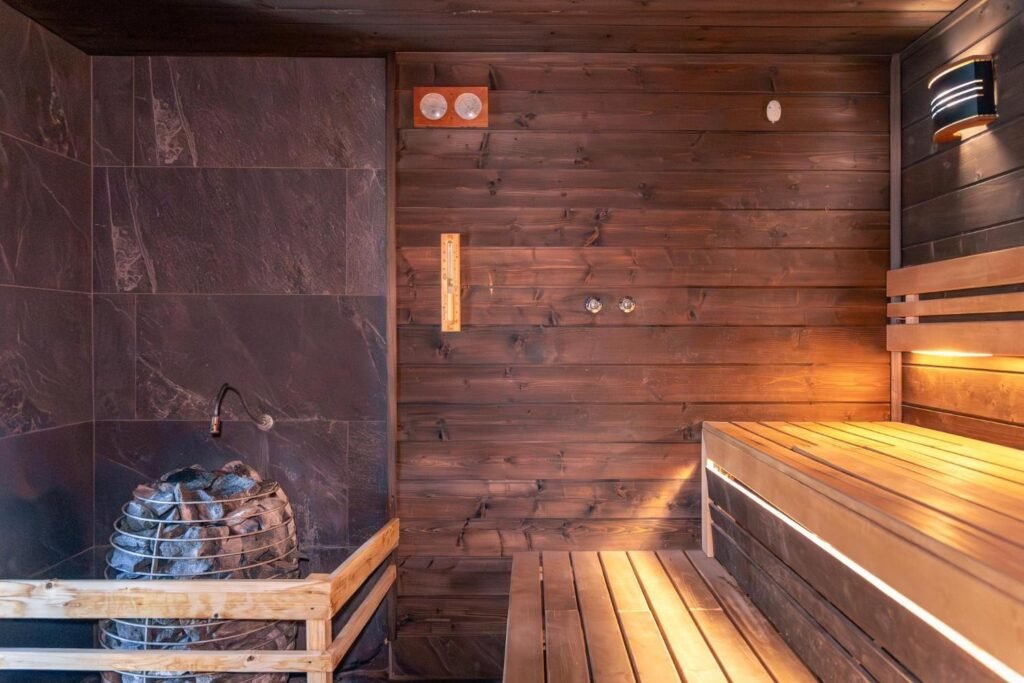
One of the defining aspects of sauna culture is its relationship with space. Unlike many modern environments, which are designed for efficiency and multitasking, the sauna is designed for singular focus.
Everything about the space, its warmth, its enclosure, its minimalism, supports this purpose. There are no competing elements, no distractions, and no need for external input. The environment itself becomes part of the experience.
This focus on space reflects a broader trend in how people approach their surroundings. There is a growing interest in creating environments that support specific states of mind, rather than serving multiple functions at once.
The Quiet Discipline of Routine
While the sauna experience itself is simple, its impact is shaped by consistency. Like many forms of self-care, it becomes more effective when it is part of a routine rather than an occasional activity.
This introduces an element of discipline, not in the sense of rigidity, but in the sense of commitment. Making time for stillness requires intention, especially in a schedule that is already full.
Over time, however, this commitment becomes easier. The benefits reinforce the habit, making it something to return to rather than something to fit in.
A More Intentional Relationship with Rest
Perhaps the most significant aspect of sauna culture’s return is what it represents. It signals a shift toward a more intentional relationship with rest, one that values depth over distraction.
Instead of filling time with passive activity, people are exploring ways to engage with rest more directly. They are seeking experiences that allow them to disconnect, reset, and return with a clearer sense of focus.
This shift is subtle, but meaningful. It reflects a change in priorities, where the quality of rest becomes just as important as the quantity.
The growing presence of sauna culture in modern life is not about nostalgia or novelty. It is about rediscovering a form of rest that is both simple and effective.
By creating space for stillness, embracing the physical experience of heat, and integrating these practices into daily routines, individuals are finding new ways to navigate the demands of contemporary life. They are moving away from fragmented forms of relaxation and toward something more cohesive and intentional.
And in doing so, they are redefining what it means to truly unwind, not as an absence of activity, but as a presence within it.