
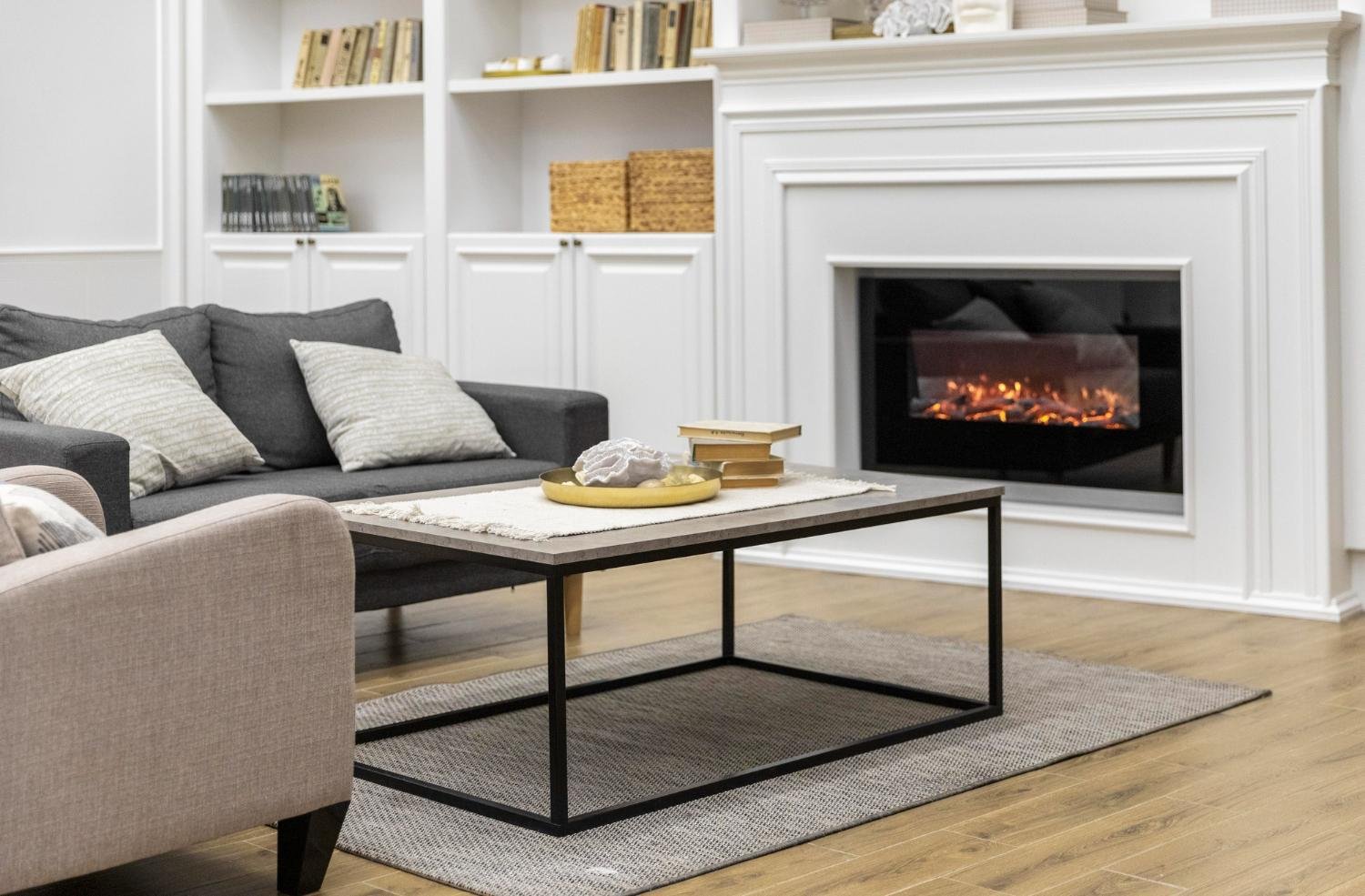

Fireplaces have long been associated with comfort, warmth, and a sense of home. But today’s homeowners approach them a bit differently than previous generations. Instead of simply installing a traditional hearth, many now compare options carefully, weighing convenience, efficiency, and design. That’s why it’s increasingly common to see people researching whether a gas or electric fireplace makes more sense for their space and lifestyle. This question reflects a broader shift: fireplaces are no longer just architectural features, they are lifestyle choices.
Modern living has changed how people use their homes, and fireplaces have evolved along with it.
Fireplaces as Lifestyle Features
In the past, fireplaces were primarily functional heat sources. Today, central heating systems handle most temperature control, allowing fireplaces to serve a different role. They often act as focal points that enhance the atmosphere rather than provide primary heat.
Homeowners now think about how a fireplace contributes to daily living. Does it create a cozy environment for family time? Does it elevate the design of a room? Does it fit a low-maintenance lifestyle?
Because of this, the decision to add a fireplace often blends practical and aesthetic considerations.
Convenience Is a Major Factor
One of the biggest influences on fireplace choice is convenience. Many homeowners want the ambiance of a fire without the work associated with traditional wood-burning models. Cleaning ash, storing wood, and managing smoke are less appealing in busy households.
Modern alternatives remove many of those steps. Easy ignition, adjustable heat, and simple controls make operation straightforward. For people balancing work, family, and home responsibilities, that simplicity matters.
Convenience doesn’t mean sacrificing atmosphere, it means accessing it more easily.
Design Flexibility in Modern Homes
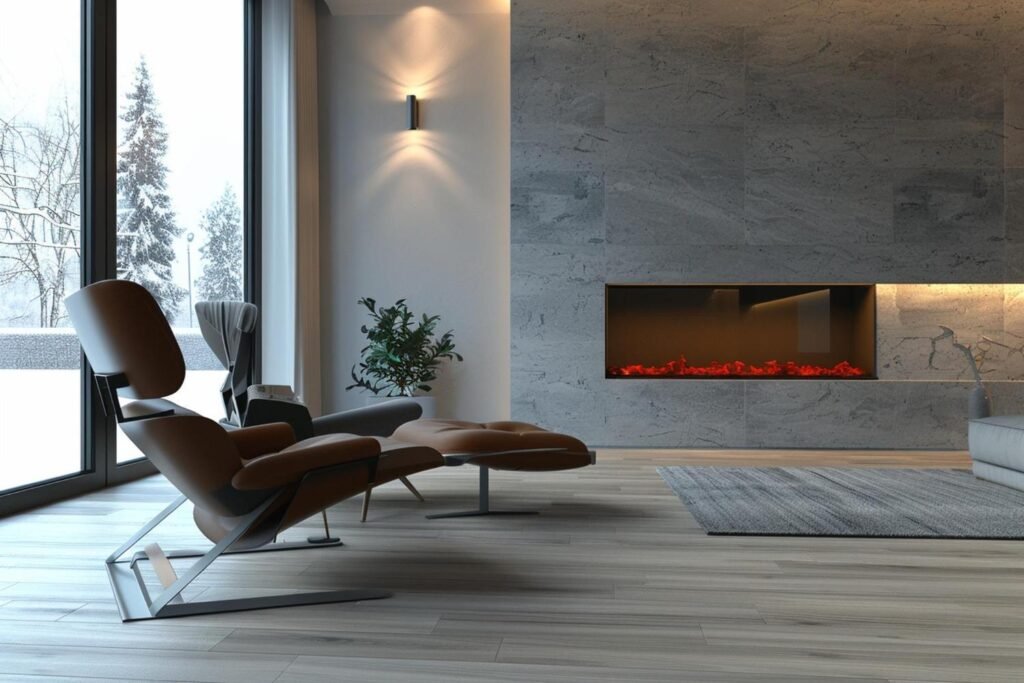
Another reason fireplaces remain popular is design flexibility. Contemporary models fit a wide range of interiors, from minimalistic apartments to spacious suburban homes. Linear fireplaces, wall-mounted units, and built-in designs allow homeowners to integrate them seamlessly.
Designers often use fireplaces to anchor a space visually. A well-placed fireplace can define a living area, add symmetry, or introduce texture through surrounding materials like stone, tile, or metal.
Because they are so adaptable, fireplaces now appear in spaces where they were once uncommon, such as bedrooms or open-concept layouts.
Comfort Beyond Temperature
The appeal of a fireplace goes beyond physical warmth. There is a psychological comfort associated with firelight. The gentle flicker and glow can make a room feel calmer and more inviting.
Many homeowners describe fireplaces as contributing to relaxation. They encourage people to slow down, gather, and spend time together. In a fast-paced, screen-filled world, this atmosphere holds real value.
Some even design rooms around the fireplace rather than a television, creating spaces focused on conversation and quiet time.
Energy Awareness Matters
Energy use is part of the modern fireplace conversation. Homeowners are more aware of efficiency than in the past. They want features that add comfort without unnecessary energy waste.
According to the U.S. Department of Energy, newer fireplace technologies can provide more efficient supplemental heating than older open-hearth designs, particularly when used to warm occupied rooms instead of heating the entire home. This concept, often called zone heating, can support smarter energy use. While a fireplace is rarely a home’s main heat source, it can still play a role in comfort planning.
Maintenance Considerations
Maintenance expectations also influence decisions. Some homeowners prefer systems that require minimal upkeep. Busy schedules make high-maintenance features less attractive.
Understanding maintenance needs ahead of time helps prevent disappointment. Even low-maintenance options still require proper installation and occasional checks, but they generally demand far less routine effort than traditional fireplaces. Choosing a fireplace that aligns with one’s tolerance for upkeep leads to greater satisfaction.
Safety and Installation
Safety remains an essential part of fireplace planning. Proper installation, clearance space, and adherence to manufacturer guidelines all matter. Professional installation is often recommended to ensure everything functions correctly.
Modern fireplaces include safety features such as automatic shutoffs and controlled heat output. These improvements have made fireplaces more accessible to households that might have hesitated in the past. Still, awareness and responsible use are key.
Real Estate Appeal
Fireplaces continue to hold appeal in the housing market. Buyers often view them as desirable features because they add character and warmth to a home. Even when not used daily, they influence how a space feels during a showing.
Real estate professionals frequently note that fireplaces help create memorable impressions. While they may not dramatically change property value, they can support buyer interest. In competitive markets, emotional appeal can make a difference.
Balancing Tradition and Modern Needs
Fireplaces carry a sense of tradition. They evoke gatherings, holidays, and quiet evenings. At the same time, modern versions reflect current priorities like efficiency and convenience.
This blend of old and new explains their lasting popularity. Homeowners can enjoy the symbolism of a fireplace without the burdens that once came with it. It’s a way of preserving comfort while adapting to modern life.
Choosing a fireplace today is less about necessity and more about lifestyle. Homeowners think about how it fits their routines, design preferences, and energy awareness. The decision often starts with simple questions about convenience and comfort but expands into broader considerations.
A well-chosen fireplace can enhance how a home feels day to day. It can create gathering spaces, support relaxation, and add visual warmth to interiors.
In the end, fireplaces endure because they meet a human desire for comfort and atmosphere. As homes continue to evolve, fireplaces evolve with them, blending tradition, technology, and personal preference into a feature that remains both practical and meaningful.