
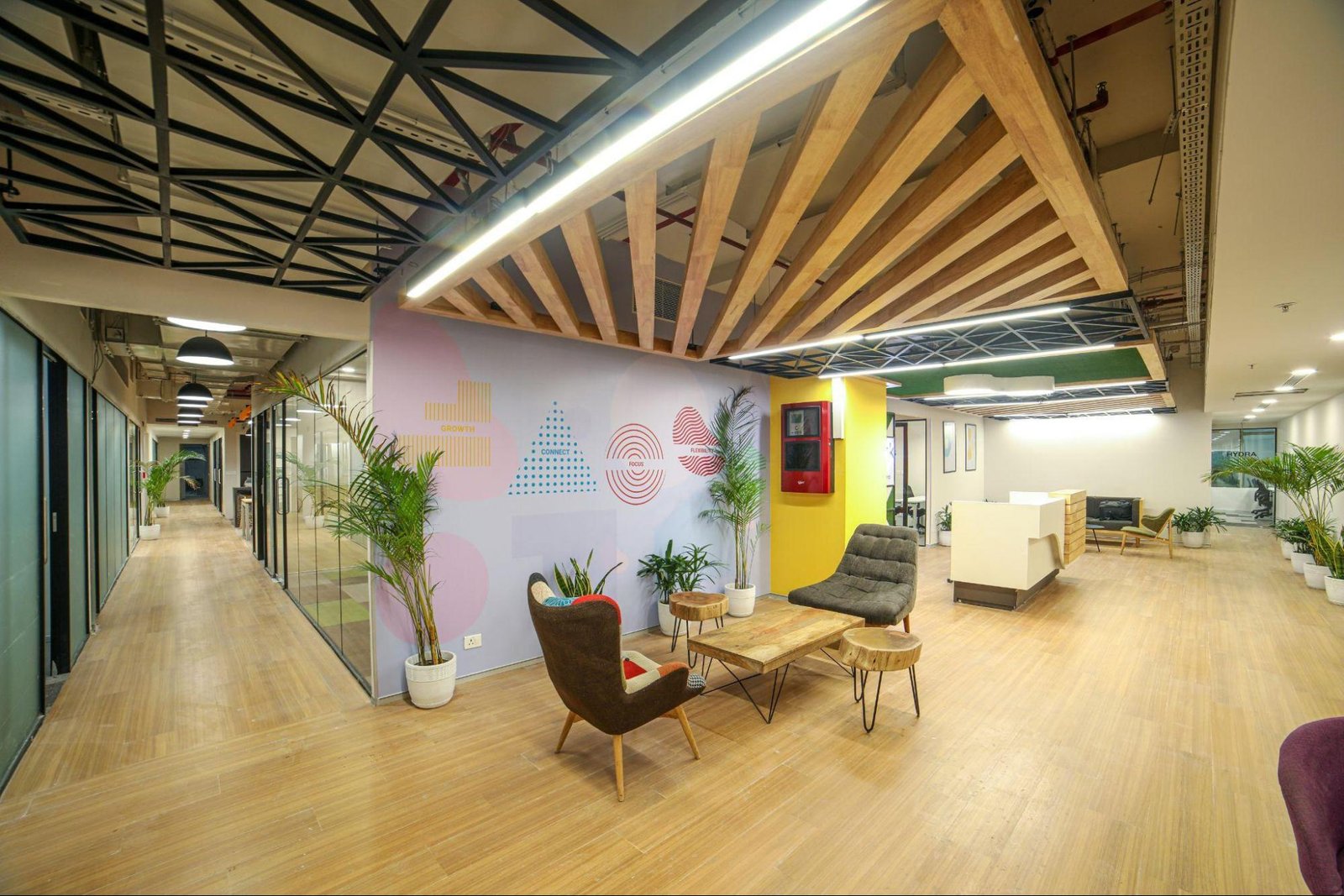

Temporary spaces increasingly define how people live and work. Renting has become more common across cities, creative professionals often operate from shared studios, and offices are frequently reconfigured to match changing teams and projects. In all of these environments, design must balance expression with impermanence. Walls, once treated as fixed and untouchable, are now part of a more flexible design conversation.
Within that shift, options such as custom removable wall decals have emerged as practical tools for shaping space without committing to permanent alteration. Their growing use reflects broader changes in how people approach interiors when ownership, longevity, and adaptability are no longer guaranteed.
Designing Without Permanence
Traditional interior design assumes stability. Paint, wallpaper, and built-in features make sense when occupants expect to remain in a space for years. For renters or short-term tenants, however, permanence becomes a constraint rather than a benefit. Lease agreements often restrict drilling, painting, or structural modification, limiting how much personalisation is allowed.
Temporary design solutions respond to this reality. They allow people to influence atmosphere and identity while respecting the boundaries of non-permanent occupancy. Rather than treating design as a one-time transformation, these approaches view it as reversible, modular, and responsive to change.
This mindset has become particularly relevant as people move more frequently between homes, studios, and hybrid workspaces.
The Role of Visual Identity in Shared and Rented Spaces
Even temporary environments carry meaning. A studio reflects creative direction, an office signals organisational culture, and a living space shapes daily experience. When visual identity is absent or generic, spaces can feel interchangeable and disconnected from those using them.
Removable design elements provide a way to establish identity without ownership. Graphics, text, patterns, and imagery applied to walls can define zones, communicate values, or support creative work. In offices and studios, they are often used to reinforce branding, project themes, or collaborative focus areas. In residential settings, they allow tenants to personalise surroundings without risking deposits or violating lease terms.
This ability to add meaning without permanence aligns with how people now relate to space: as something adaptable rather than fixed.
Flexibility for Creative Workflows
Creative offices and studios are rarely static. Teams expand and contract, projects change direction, and spaces are reconfigured to support different modes of work. Temporary design solutions support this fluidity by making visual changes as easy as physical rearrangements.
Wall-based graphics can be updated between projects, removed when a studio relocates, or adjusted to reflect new creative priorities. This reduces friction between design intent and operational reality. Instead of redesigning from scratch, spaces evolve incrementally.
For creative professionals, this adaptability can be as important as aesthetics. It allows environments to stay aligned with work rather than lagging behind it.
Cost, Time, and Practical Constraints
Budget and time are constant pressures in rented and shared environments. Permanent renovations are expensive, slow, and often unjustifiable when occupancy is uncertain. Temporary solutions offer a lower-risk alternative that fits tighter constraints.
Installation typically requires minimal tools and no specialist labour. Removal does not involve repair or repainting, which reduces end-of-lease costs and administrative burden. For businesses, this also simplifies transitions between locations or layouts.
The practical appeal is not about cutting corners, but about aligning investment with duration. When space is temporary, design solutions that acknowledge that temporariness make economic sense.
Psychological Effects of Personalised Space
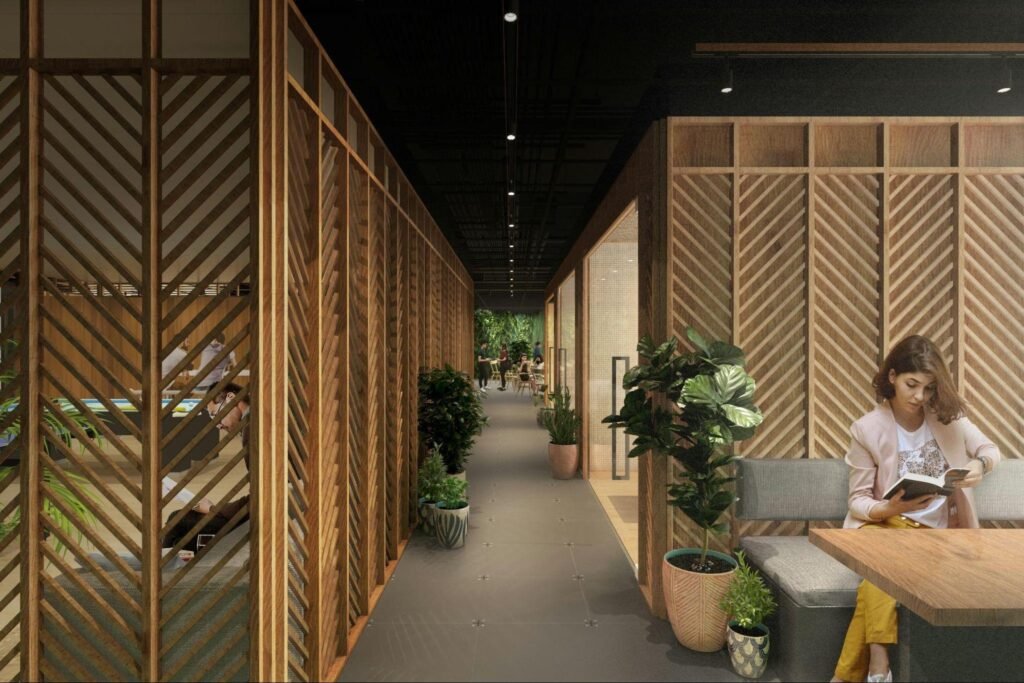
The impact of design extends beyond appearance. Numerous studies in environmental psychology suggest that people feel more comfortable, focused, and motivated in spaces that reflect identity and intention rather than neutrality. Even small visual changes can influence mood and perception of control.
Temporary design solutions support this psychological need without demanding permanence. They allow occupants to shape their environment actively, reinforcing a sense of ownership even when legal ownership is absent. This can be particularly valuable in rented homes or shared offices, where individuals may otherwise feel detached from their surroundings.
Research discussed by the American Psychological Association has noted that personalisation of work and living spaces can positively affect wellbeing and engagement, especially when individuals feel agency over their environment.
Navigating Sustainability and Material Considerations
As temporary design solutions become more widespread, questions around sustainability and materials have gained importance. The assumption that “temporary” implies waste is increasingly challenged by products designed for durability, reuse, and low-impact removal.
Many modern removable materials are engineered to minimise residue and surface damage, allowing repeated use across different spaces. This extends their lifecycle and reduces the need for repeated production. For renters and businesses conscious of environmental impact, this reusability is a significant factor.
Sustainability in temporary design is less about permanence and more about thoughtful cycles of use.
Temporary Design in Professional Contexts
In offices, temporary design solutions often function as communication tools rather than decoration. Wall graphics can clarify wayfinding, articulate values, or frame shared goals. In co-working environments, they help differentiate zones without constructing physical barriers.
Because these elements are removable, they can adapt as organisational needs shift. A wall used for branding one year may become a project showcase the next. This adaptability supports organisational agility without requiring constant renovation.
For client-facing spaces, temporary design also allows businesses to refresh appearance periodically, maintaining relevance without significant downtime.
Rethinking What “Temporary” Means
Temporary design does not mean disposable or trivial. Instead, it reflects a different relationship with space, one that values responsiveness over permanence. In a world where living and working arrangements are increasingly fluid, design solutions must match that fluidity.
Renters, creatives, and businesses are no longer waiting for “forever spaces” to express identity or invest in atmosphere. They are designing for now, with the understanding that change is not failure but expectation.
A Design Language for Flexible Living and Working
Temporary design solutions have become part of a broader cultural shift toward flexibility. They acknowledge that spaces, like the people who use them, are in motion. By offering ways to personalise and adapt without permanent alteration, they support creativity, wellbeing, and practical constraints simultaneously.
In that sense, temporary design is not a compromise. It is a design language suited to contemporary life, one that recognises movement, change, and adaptability as defining conditions rather than exceptions.