
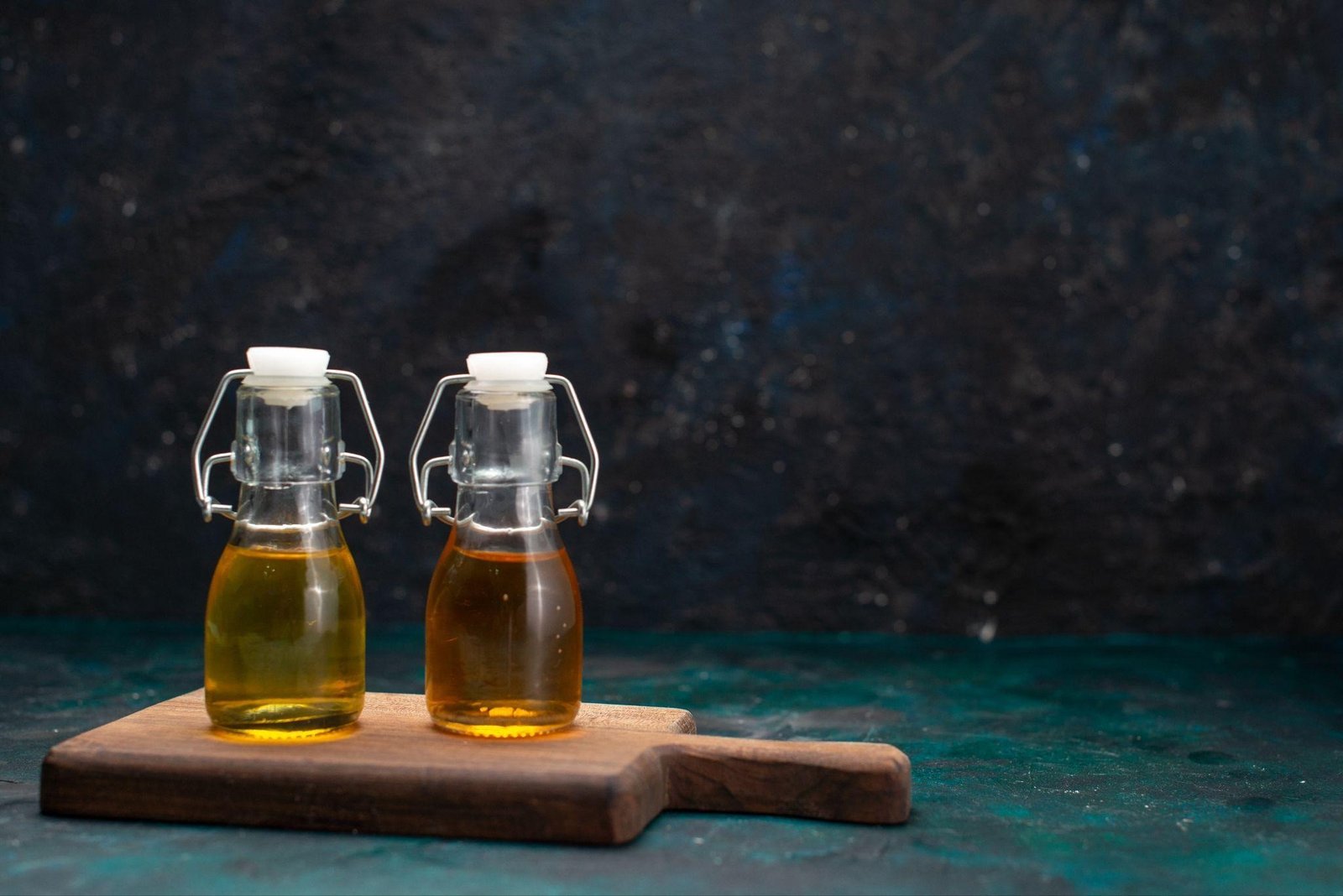

Most of us have a bottle of oil tucked somewhere in the bathroom cabinet — coconut, castor, almond, maybe something a relative swore by. We reach for it during a hair fall phase, massage it in, and hope for the best. But here’s what rarely gets talked about: not all hair oiling habits are helpful, and some can quietly work against you.
When “Natural” Doesn’t Always Mean Safe
There’s a common assumption that because something comes from a plant, it can’t cause harm. But hair oils, like any product, have specific properties — molecular weight, fatty acid composition, shelf life — that determine how well they actually work for your hair and scalp.
Coconut oil, for instance, penetrates the hair shaft quite well due to its low molecular weight. But applied too heavily or too frequently, especially on a scalp that’s already oily or prone to buildup, it can clog follicles and worsen conditions like seborrheic dermatitis. The oil isn’t bad. The way it’s being used is.
Similarly, mineral oil-based products — often sold as “hair oils” — sit on the surface of the hair and create an illusion of shine without providing any nourishment. Over time, they attract dust, interfere with scalp breathing, and make it harder for the scalp to regulate itself.
The Problem with Expired or Poorly Stored Oils
This one gets overlooked almost entirely. Oils go rancid. When they do, they don’t just lose their benefits — they can actively irritate the scalp.
Rancid oils smell slightly off, feel stickier than usual, and contain oxidized compounds that trigger inflammation in the scalp skin. And yet, most people continue using the same bottle for a year or more without giving it a second thought.
Castor oil is a common example. It’s thick, slow to use, and often bought in large quantities. Many people don’t realize it has a real shelf life and can degrade if not stored correctly. If you’ve been using castor oil for a while and aren’t sure whether it’s still good, it’s worth reading about does castor oil expire and how to store it properly — the answer might surprise you.
Keeping oils in humid bathrooms, in clear bottles near windows, or near heat sources accelerates oxidation. A small habit change in storage can make a noticeable difference in how an oil performs.
Heavy Oils Left on Too Long
The “overnight oil treatment” is deeply embedded in hair care culture, especially in South Asian households. But leaving thick oils on for 8–12 hours — particularly on an already sensitive or inflamed scalp — can create more problems than it solves.
When oil sits on the scalp for too long, it:
- Traps dead skin cells and old sebum
- Creates a warm, moist environment where Malassezia (the yeast linked to dandruff) can thrive
- Requires aggressive shampooing to remove, which strips the scalp’s natural barrier
A 30–45 minute application before washing is usually sufficient. The scalp doesn’t need to be saturated for hours to benefit from oiling.
Scalp Type Matters More Than People Think
What works for dry, flaky scalp is different from what works for oily or acne-prone scalp. Most people pick an oil based on what they’ve seen advertised or what someone recommended — without considering their own scalp’s biology.
If your scalp produces a lot of sebum naturally, adding more heavy oil can tip the balance. If you have an inflamed scalp with sores or active dandruff, oiling can spread the irritation rather than soothe it. Understanding your scalp type before reaching for an oil is basic but important.
What Traya’s Approach Gets Right
Traya, a hair care brand that approaches hair loss through a root-cause framework, has pointed out something that often gets lost in general hair advice: the scalp is an extension of your skin, and what you put on it should be chosen as carefully as what you put on your face.
Their guidance consistently emphasizes that oils should be used based on scalp health and hair type — not habit or tradition alone.
Final Thoughts
Hair oiling is not bad. Done right, it can support scalp health and protect hair from damage. But “done right” means paying attention to what you’re using, how long you’re using it, and whether it’s even appropriate for your scalp type. Check expiry, store carefully, and give your scalp enough credit to need more than just any oil poured on it.