
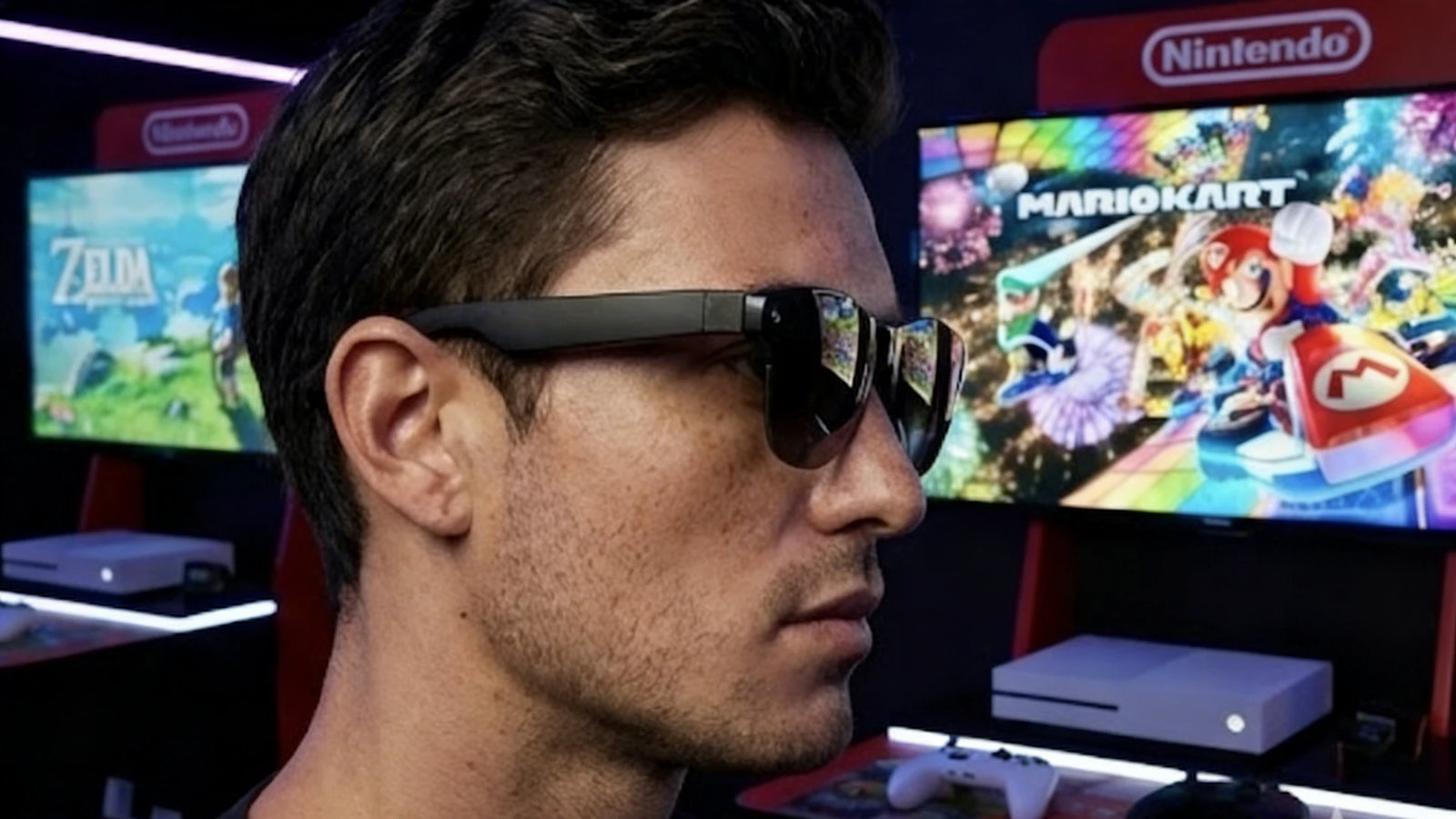

Anime demands more from a display than standard video content. Saturated color palettes, rapid fight choreography, and scenes shifting between pitch-black shadow and bright neon push any screen to its absolute limits. Phone panels can feel limiting for viewers who want a larger, more cinematic experience.
That performance gap has pushed a growing number of fans toward AR Glasses. The RayNeo Air 4 Pro pairs a premium Micro-OLED panel with HDR10 support, high refresh rates, and massive virtual screen capabilities.
This technical guide breaks down what those hardware specifications mean for anime fans, from
high-contrast shonen battle sequences to quiet pastoral landscapes across varying viewing environments.
The Case for Wearable Displays
Modern smartphones are around 6 to 7 inches, while premium tablets commonly range from about 11 to 14.6 inches. For anime featuring sweeping landscape shots, dense battle choreography, or layered background art, fine visual detail can be harder to appreciate on smaller screens.
Quality AR Glasses solve this persistent problem by projecting a massive virtual display that creates a large screen within your field of view. Unlike heavier devices, these sit lightly on your face with less bulk and visual isolation than many VR headsets.
The result is a private cinema fitting effortlessly inside a standard glasses case. For anime fans who frequently binge-watch on commuter flights or in shared apartments late at night, that portability helps improve the entire viewing experience for portable entertainment.
Breaking Down the Display Pipeline
Not all wearable displays currently on the market target dedicated entertainment viewing. Some prioritize basic AI assistants or integrated cameras. The RayNeo Air 4 Pro is explicitly built for media consumption, resting on four core technical specifications that anime fans should evaluate closely before making any purchase.
0.6-inch SeeYa Micro-OLED Display
The internal hardware utilizes a 0.6-inch SeeYa Micro-OLED display featuring roughly 98 percent DCI-P3 color coverage alongside exceptional pixel density. For demanding anime, vibrant reds, deep blues, and lush greens help preserve more of the intended color richness without displaying washed-out visual gradients.
HDR10 and Contrast Capabilities
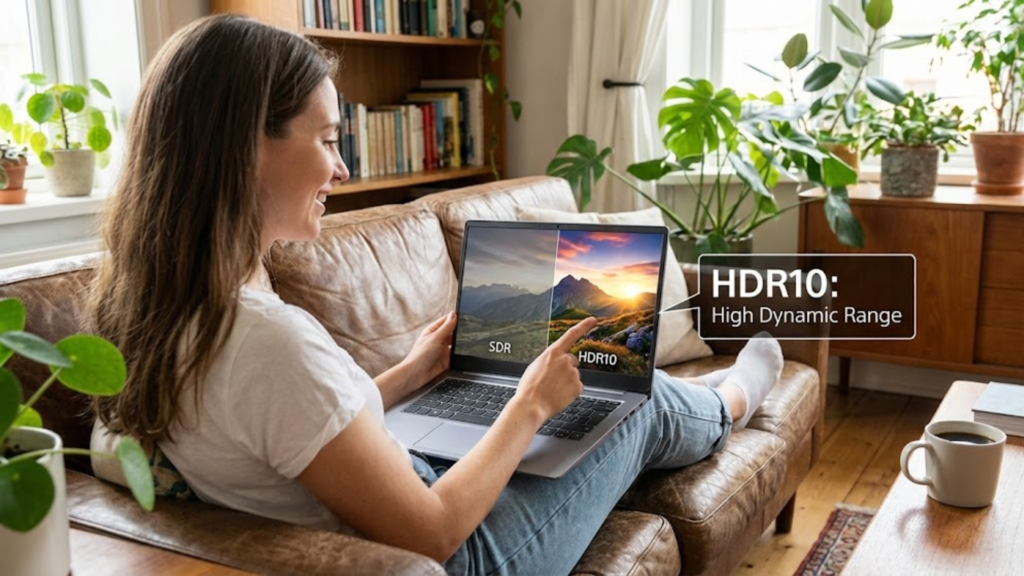
With compatible source material and output devices, HDR10 support combined with OLED contrast is well suited to high-contrast anime scenes. Nighttime battle scenes retain strong shadow detail, while bright flame visual effects stay highly controlled without crushing deeper blacks into single flat gray tones.
120Hz Smooth Refresh Rate
While most traditional anime runs at lower frame rates, a 120Hz panel helps with cleaner frame cadence and is especially useful for gaming or 120Hz sources. It does not change the original animation frame rate, but it benefits titles streamed directly from handheld gaming consoles.
201-Inch Virtual Screen Size
At the recommended optimal viewing distance, the RayNeo Air 4 Pro projects an immersive image equivalent to a 201-inch display. That massive visual scale puts the viewer directly inside the frame rather than squinting at a small rectangular screen during complex animated action sequences.
Anime That Puts Hardware to the Test
Impressive specifications on paper always need real-world animated content to prove their actual value. Three distinct anime categories stress the RayNeo Air 4 Pro display hardware in highly unique ways, clearly demonstrating exactly where each technical capability makes a truly measurable visual difference.
High-Contrast Shonen Action
Shows heavily relying on extreme visual swings between dark backgrounds and vivid attack animations require excellent display control constantly. Strong contrast ensures both ends of the visual spectrum remain intact without annoying clipping, helping shadow detail hold up during the absolute fastest combat sequences.
Neon and Deep Shadow
Popular cyberpunk aesthetics show exceptionally bright neon signage over dark, rain-soaked cityscapes constantly. The OLED contrast ratio preserves deep black levels directly behind those bright lights while keeping every neon edge sharp, unlike standard LCD panels that tend to consistently look washed out.
Subtle Watercolor Gradients
Classic theatrical films frequently utilize soft, watercolor-style color transitions that actively demand highly accurate mid-tone reproduction capabilities. The incredibly wide color gamut on premium AR Glasses captures the subtle differences between similar shades of green that cheaper display panels often tend to merge completely.
How the Hardware Compares
The display glasses market currently includes several highly competitive models aimed strictly at premium entertainment and media consumption. However, not all modern competitors utilize the same panel technology or support the specific HDR formats necessary for the best overall anime viewing experience.
| Key Specification | RayNeo Air 4 Pro | XREAL One Pro | Rokid Max 2 |
|---|---|---|---|
| Display Panel | 0.6″ SeeYa Micro-OLED | 0.55″ Sony Micro-OLED | Micro-OLED |
| Virtual Screen Size | 201 Inches | 171 Inches | 300 Inches |
| Refresh Rate | 120Hz | 120Hz | Up to 120Hz, per Rokid support blog |
| High Dynamic Range | HDR10 | Not clearly stated on current official page | Not clearly stated on current official page |
| Weight | 76g | 87g | 75g, based on third-party specs |
| Price | $299 | $649 | $309 |
What Sets the Leader Apart
Basic screen resolution remains relatively uniform across this specific hardware group. The RayNeo Air 4 Pro clearly distinguishes itself by offering one of the largest HDR10-capable virtual displays at its price point, alongside an extremely competitive overall consumer entry cost for premium entertainment viewing.
Evaluating the Value Equation
While some competitors offer larger screens or more spatial features, RayNeo’s $299 price makes its HDR10 display unusually competitive. For dedicated viewers who regularly watch anime in varying ambient light conditions, that strong balance of cost and premium features increases long-term value and visual immersion.
Comfort During Daily Use
Incredible display quality quickly loses its competitive edge when the actual glasses become physically uncomfortable after only two episodes. Overall hardware weight, ergonomic fit, and seamless device connectivity ultimately determine whether AR Glasses can sustain long anime marathon sessions without causing frustrating user fatigue.
Managing Weight and Fit
At roughly 76 grams, the RayNeo Air 4 Pro sits significantly lighter than most standard VR headsets. It conveniently includes a prescription-lens frame sample and highly adjustable nose pads, which can help reduce pressure on the nose bridge during longer sessions, though comfort still depends on face shape and fit.
Connectivity for Late-Night Viewing
A single USB-C cable effortlessly connects these AR Glasses to modern smartphones, laptops, and popular handheld gaming consoles. Fast 3840Hz PWM dimming and brightness controls help with viewing comfort, while Whisper Mode and directional audio help reduce sound leakage during late-night viewing.
- Modern smartphones featuring standard USB-C DisplayPort Alt Mode capabilities.
- Premium laptops and MacBooks offering direct Thunderbolt display output natively.
- Popular gaming handhelds for playing complex anime titles anywhere smoothly.
Immersive Audio and Visual Integration
Watching premium anime requires excellent sound design to effectively match the striking visual presentation. Whether you are listening to a swelling orchestral soundtrack or rapid-fire Japanese dialogue, AR Glasses must deliver a cohesive auditory experience that complements the massive virtual screen well.
Directional Acoustic Engineering
The RayNeo Air 4 Pro utilizes highly precise directional audio technology to successfully deliver clear dialogue directly to your ears. This innovative acoustic engineering approach helps reduce sound leakage in shared spaces, ensuring that intense anime battle soundtracks remain punchy and impactful for the user.
Dynamic Spatial Enhancements
High-quality spatial audio support creates a remarkably wide dynamic soundstage for atmospheric anime series. Because spatial sound can make the soundstage feel wider, dynamic action scenes and character movements gain an impressive level of deep immersion that basic phone speakers simply cannot replicate during playback.
Built for the Marathon
The RayNeo Air 4 Pro places highly capable technical specifications in a great order for dedicated anime viewing. The SeeYa Micro-OLED display handles brilliant color, HDR10 manages deep contrast, and a smooth 120Hz refresh rate effectively supports rapid motion and cleaner frame cadence natively.
Sitting lightly at just 76 grams, these glasses are better suited to longer sessions than bulkier headsets, though comfort still varies by user. For passionate fans who want a portable private theater, this device remains one of the strongest value picks on the current market.