

Moving to West Palm Beach, or arriving for the season as a snowbird, means adjusting to a lot of new things: humidity, hurricane season, afternoon thunderstorms that seem to appear out of nowhere, and a version of sunshine that feels stronger than what most transplants are used to. One thing that surprises a lot of new residents, though, is how differently their car ages here compared to back home.
A vehicle that spent years looking new in Ohio, Pennsylvania, or Ontario can start showing wear within a single Florida summer. That is not bad luck. It is climate. Understanding what South Florida does to a car, and building a simple routine around it, is one of the easiest ways new residents can protect a vehicle they may have only just bought or brought down with them.
Why Florida’s Climate Is Harder on Cars Than the Northeast or Midwest
Most people relocating to West Palm Beach come from climates where the biggest threats to a car are winter road salt, snow, and freeze-thaw cycles. Those risks are seasonal. In South Florida, the threats are constant and they compound.
Coastal salt air is present nearly year-round, not just after a storm. Strong UV exposure is a daily condition, not a summer-only concern. Rain can appear suddenly almost every afternoon for months at a time. Humidity stays high enough to encourage mildew growth inside a cabin that is not regularly cleaned and dried out. Add in sand from beach trips, pollen from South Florida’s plant life, and heavy bug activity, and a car here is working against several forms of damage at once, every single day.
For someone used to periodic car washes and the occasional wax job, that is a real shift in mindset.
Salt Air Corrosion: The Coastal Threat Most Newcomers Underestimate
Living near the Atlantic coast means salt is in the air even on days without a drop of rain. That salt settles on a vehicle’s exterior, wheels, trim, and undercarriage, where it can accelerate corrosion on metal components far faster than in inland or northern climates.
Chrome trim, wheel wells, and exposed metal fasteners are especially vulnerable. Left unwashed, salt residue can sit on these surfaces for weeks, slowly working into small scratches, seams, and joints. New residents who park outside, which is common in Florida, are especially exposed since there is no garage buffering the vehicle from coastal air.
Regular washing that includes wheels and lower panels helps rinse salt residue away before it has time to do lasting damage.
UV Rays: Fading Paint and Cracking Interiors Faster Than Up North
Florida’s sun is not just brighter, it is more direct and more consistent than what most transplants experienced previously. That constant UV exposure fades paint, dulls clear coats, and can crack or discolor dashboards, seats, and interior trim faster than in cooler, cloudier climates.
A car that might take a decade to show sun fade in the Midwest can show noticeable dulling within a few Florida summers, particularly on dark-colored paint and vinyl or leather interiors. This is one of the biggest surprises for new residents: a nearly new vehicle can start looking older than its actual age if it sits outside unprotected.
Protective finishes and regular hand-applied wax help slow this process, and interior cleaning that includes dressing and conditioning helps keep cabin surfaces from drying out and cracking.
Afternoon Storms, Water Spots, and Mineral Buildup
South Florida’s daily rain pattern, especially in summer, means a car can get rained on almost every afternoon. That sounds like free washing, but it is not. Florida rain carries minerals, and when it evaporates on a hot hood or windshield, it leaves behind water spots that etch into paint and glass over time if not rinsed off.
Combined with sudden downpours that kick up road grime, sand, and debris, a car can go from clean to spotted and dirty within the same day. New residents who assume rain keeps a car clean often end up with a windshield covered in hard water spots and a hood full of etched mineral marks within a matter of weeks.
A spot-free rinse after exposure to rain and standing water helps prevent this kind of buildup from setting in.
Humidity, Mildew, and the Smell New Residents Don’t Expect
High humidity is a year-round condition in West Palm Beach, and it affects the inside of a car as much as the outside. Damp floor mats, spilled drinks, wet beach towels, or even normal condensation can lead to mildew odors inside a cabin far faster than in a drier climate.
New residents sometimes notice a musty smell developing in their car within the first few months of Florida living, even in vehicles that were spotless up north. Regular interior cleaning, including vacuuming and glass cleaning, helps keep humidity from turning into a lingering odor problem.
Sand, Bugs, and Tree Sap: The Everyday Buildup
Beyond salt, sun, and storms, West Palm Beach living usually means more trips to the beach, more time near tropical trees, and more contact with insects than most transplants are used to. Sand works its way into floor mats and cargo areas. Bug splatter builds up quickly on front bumpers, grilles, and windshields, especially during warmer months. Tree sap from South Florida’s dense foliage can land on hoods and roofs parked under trees.
None of these are dangerous on their own, but left long enough, bug residue and sap can damage paint and clear coat, and sand can wear into carpet fibers and upholstery. Regular washing that includes bug removal and interior vacuuming keeps this everyday buildup from becoming a lasting problem.
What a Realistic Car Care Routine Looks Like in Florida
New residents often ask how often they should really be washing their car here. Given the combination of salt air, frequent rain, strong UV rays, and dust and pollen, a weekly wash is the realistic standard for protecting a vehicle in South Florida’s demanding climate. That is a noticeably different rhythm than the occasional wash that worked in a milder, drier climate up north.
A practical Florida car care routine should include:
- A 100% hand wash on a weekly basis to remove salt, sand, and road grime
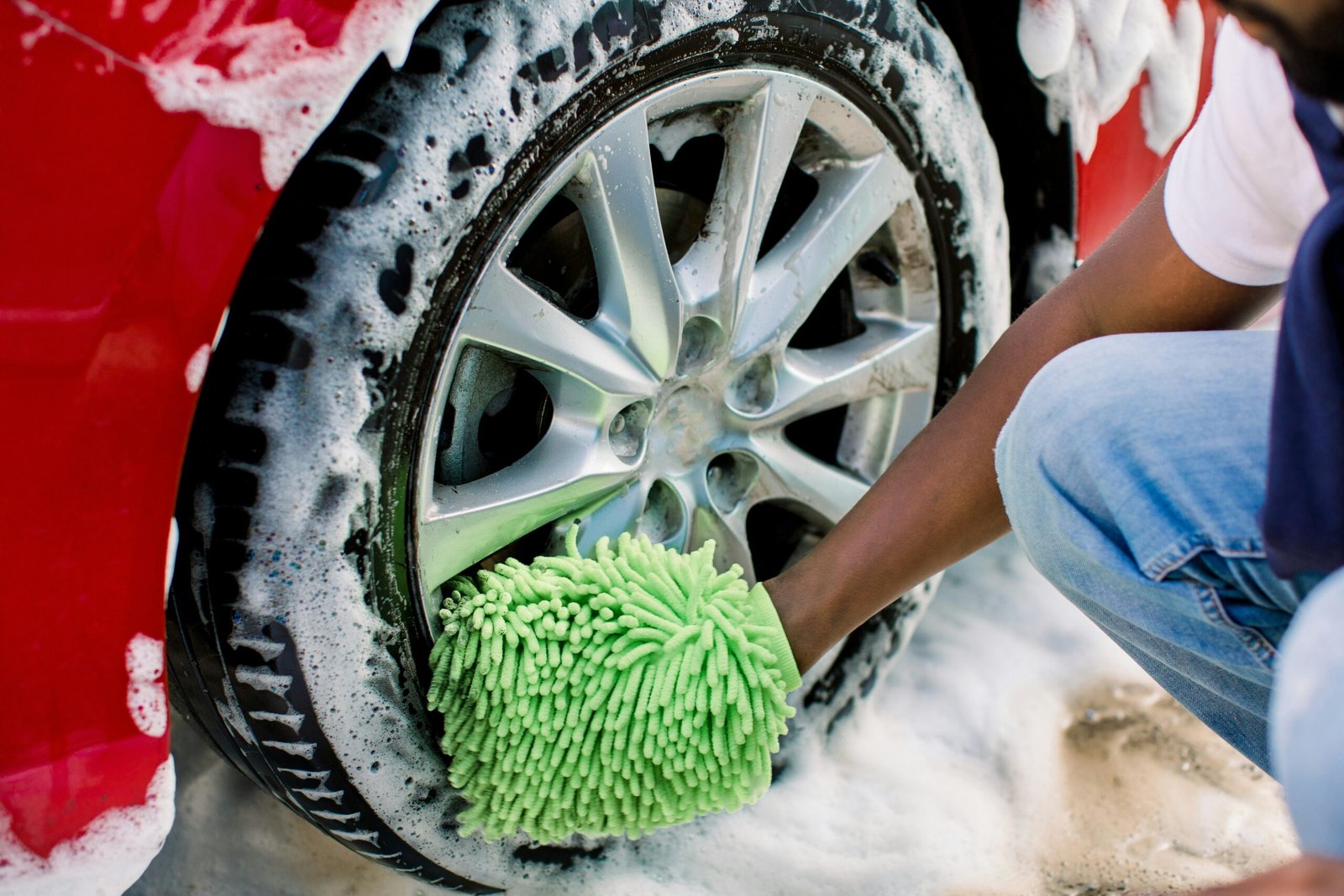
- Wheel and tire cleaning to prevent brake dust and salt buildup
- A spot-free rinse to avoid mineral etching from rain and hard water
- Protective wax or sealer to slow UV fading
- Bug removal on the front end after highway or beach driving
- Interior vacuuming and glass cleaning to manage humidity, sand, and odors
- Periodic protective finishes, such as ceramic coatings, for longer-term paint protection
Why a 100% Hand Wash Membership Fits New Residents and Snowbirds So Well
For someone who just relocated, or who splits the year between Florida and another state, keeping up with weekly car care can feel like one more thing to manage in an already busy transition. This is where Unlimited Auto Wash’s local, membership-based model fits particularly well.
Unlimited Auto Wash is a full-service, 100% hand car wash operating six locations across Palm Beach County, including West Palm Beach at 2405 Okeechobee Blvd. The 100% hand wash approach matters in this climate because a trained team can pay attention to the areas machines often miss: wheel wells where salt collects, trim where sap and bugs stick, and glass where hard water spots form.
The Unlimited Wash Club membership lets a driver choose a wash tier and use it as often as needed at any of the six locations, which suits the weekly routine this climate calls for without adding cost per visit. For seasonal snowbirds who are only in Florida part of the year, the membership includes a pause option: members can call to pause billing at least four days before their billing date and reactivate later by calling 561-WASH-ME-2 (Monday through Friday, 8:00 AM to 3:00 PM). That flexibility means a part-time Florida resident does not have to pay for a membership while their car sits up north, but can pick right back up on their next visit.
For newer or recently purchased vehicles, the Chadwick’s Signature Exterior Ceramic Protective Finish, starting at $99 for a sedan or small SUV, adds a hand-applied and machine-polished ceramic layer that helps protect paint from the sun and salt air that new residents are just getting used to.
A Beginner’s Checklist for New Florida Car Owners
- Wash weekly, not monthly, to keep salt, sand, and pollen from building up
- Rinse off rain residue promptly to avoid hard water spots
- Ask about protective wax, sealer, or ceramic coatings for UV protection
- Vacuum and clean interior surfaces regularly to prevent musty, humid odors
- Remove bug splatter and tree sap before they sit for days
- Consider a membership if planning to stay in Florida full time
- Ask about a pause option if only in Florida part of the year
An Eco-Friendly Way to Protect a Car in a Sensitive Coastal Environment
New residents adjusting to coastal living often become more aware of environmental impact, especially near waterways and the Atlantic coast. Unlimited Auto Wash is ISO 14001 certified and uses biodegradable, pH-neutral, organic, non-toxic products, along with a rain bar instead of high-pressure spraying and responsible handling of runoff and waste. The hand wash process also uses roughly one-third the water of a typical machine wash. For a new Florida resident who wants to protect their car without contributing unnecessary chemical runoff into a sensitive coastal environment, that combination of quality and responsibility is worth knowing about early on.
Final Takeaway
Settling into West Palm Beach means settling into a climate that is genuinely tougher on a vehicle than most other parts of the country. Salt air, relentless UV rays, sudden storms, humidity, sand, and bugs all work on a car at once, and a routine built for a Northeast or Midwest climate simply will not keep up. A weekly, 100% hand wash routine, backed by protective finishes when needed, is the realistic standard for this environment.
Unlimited Auto Wash’s West Palm Beach location offers new residents and seasonal snowbirds alike a straightforward way to build that routine, including a membership model that can pause for part-time Florida living. Learn more about detailing options at Unlimited Auto Wash West Palm Beach car detailing or visit Unlimited Auto Wash to find the location and package that fits a new Florida routine.
FAQ
How often should new Florida residents wash their car?
New residents should plan to wash their car about once a week. South Florida’s salt air, frequent rain, strong UV rays, and dust and pollen build up faster than in most other climates, so a weekly wash helps prevent lasting damage to paint, wheels, and interior surfaces.
Why does my car seem to age faster in Florida than it did up north?
Cars often age faster in Florida because of constant coastal salt air, intense year-round UV exposure, frequent afternoon storms, high humidity, and regular contact with sand, bugs, and tree sap. These factors work together daily, rather than seasonally, which accelerates corrosion, paint fading, and interior wear.
I’m a snowbird and only in Florida part of the year. Can I pause my car wash membership?
Yes. Unlimited Auto Wash’s Unlimited Wash Club allows members to pause their membership by calling at least four days before their billing date. When ready to return to Florida, members can reactivate by calling 561-WASH-ME-2, Monday through Friday from 8:00 AM to 3:00 PM, making it easy to maintain coverage only when the car is actually in the state.
Where is Unlimited Auto Wash located in West Palm Beach?
Unlimited Auto Wash’s West Palm Beach location is at 2405 Okeechobee Blvd., West Palm Beach, FL 33409, phone 561-660-8458. It is open Monday through Saturday from 8:00 AM to 5:45 PM and Sunday from 9:00 AM to 5:00 PM, with the last car accepted 5 minutes before closing.