
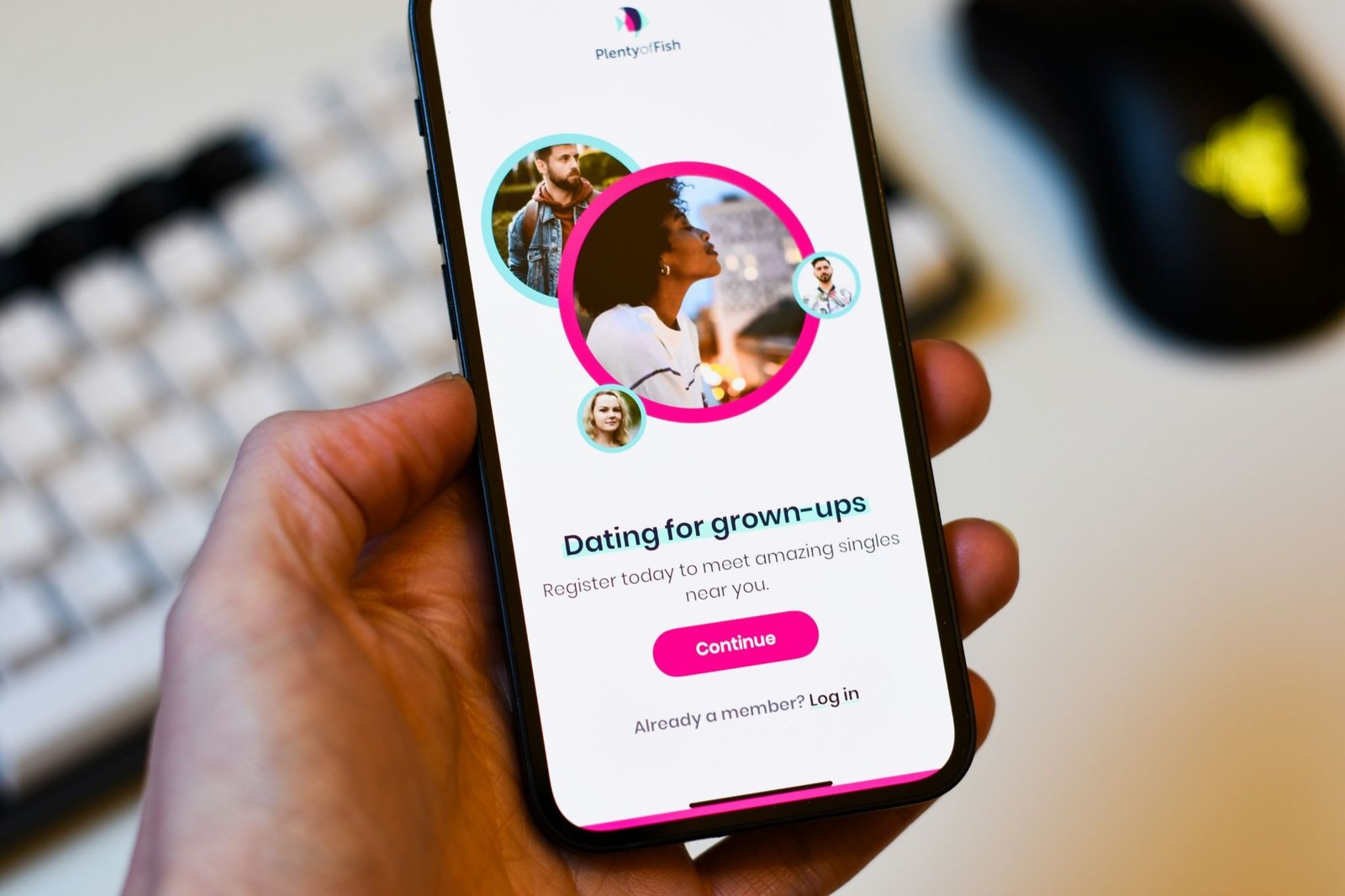

Two trend lines point in opposite directions. The first is mainstream dating-app usage, which has plateaued since 2022 and is contracting in some age brackets. The second is the user base on specialized platforms inside the same category, which industry analysts estimate has grown at roughly 9 to 12% annually since 2021.
Sugar dating belongs inside that second line, alongside other specialized categories that have spent the last few years quietly absorbing market share from the larger platforms.
The plain reading of those two trend lines is that the dating market continues to grow in total. The growth is reorganizing across newer platforms rather than concentrating on the legacy ones. The reorganization favors platforms that specialize over platforms that try to serve everyone.
The Numbers Behind the Growth
The global online dating market is projected to grow from $5.18 billion in 2024 to more than $12 billion by 2035. Most of that projected growth is expected to come from niche segments, while the established products account for a smaller slice. Industry analysts have repeatedly flagged niche dating as one of the highest-growth subcategories inside the wider online-meeting space.
User counts at category-specific platforms suggest the same trend. The active user base across the specialized dating layer reportedly grew by an estimated 23% between 2022 and 2024. That is roughly three times the growth rate many larger apps posted during the same period.
The growth is concentrated in a handful of segments. LGBTQ+ specific platforms. Religious and cultural matching. Age-gap categories. Lifestyle and identity verticals. Sugar dating belongs to the same growth band.
Three Reasons for Specialized Platform Adoption
Three reasons continue to appear in user surveys when people are asked why they downloaded a specialized platform on top of, or instead of, a broader dating app.
The first is matching efficiency. A user with specific preferences reports far fewer wasted hours on a specialized platform than on a swipe-based app. The specialized platform pre-filters for them. The broader platform does not.
The second is community norms. Specialized platforms publish what is and is not expected, which lowers the rate of mismatched conversations and bad first meetings. The user does not have to spend the first 20 minutes of every conversation establishing what the other person is looking for.
The third is anonymity calibration. Different categories require different privacy settings. Specialized platforms calibrate the visibility rules to fit the category. Most larger dating apps still default to one setting for everyone.
A Specific Example of the Trend
The most direct illustration of category-specific growth is the emergence of platforms that serve a particular relationship intent end to end. A sugar daddy app, an explicitly faith-based matching service, and an ethical non-monogamy community are each examples of platforms where the intent is named in the product itself rather than buried in the bio.
Users on those platforms self-select before they ever swipe, and the match quality benefits from that pre-selection.
When the user volume on these platforms is measured against broader dating-app volume, the absolute numbers are still small. The growth rates, however, are not small at all. Category-specific platforms have reportedly been compounding at roughly twice the rate of broader dating apps for three consecutive years.
Demographic Drivers
The largest demographic driver behind the growth is Gen Z. The cohort that came of age during the dominance of swipe-based apps has the lowest reported satisfaction with those platforms and the highest willingness to try specialized alternatives. Multiple surveys suggest that nearly 79% of Gen Z users report fatigue from traditional dating apps.
Editorial coverage of family relationships in publications like The Atlantic has expanded to cover these patterns, and more than a third of the same demographic say they are open to defined-goal category platforms that clearly state what they are for.
Millennials hold second place on the adoption curve, particularly in the 30-to-39 bracket. The pattern there is a user who built a profile on a traditional dating app five or 10 years ago, has used it intermittently since, and now layers in a specialized platform to address a specific need the larger apps do not handle well.
The growth pattern has more to do with changing user expectations than with app quality itself. Users now bring more specific expectations to the matching process, and many broader dating apps were originally designed for users with more general expectations.
Gen X and older brackets remain on the broader apps at higher relative rates, partly because the platforms they signed up for in the 2010s still match their preferences, and partly because niche alternatives have invested less in product features for that demographic. That gap may close over the next three to five years as the older cohorts age into the same fatigue patterns younger users are already showing.
Mainstream App Plateau
Bumble’s user count reportedly contracted in 2024 for the first time since the company went public. Match Group has also reported declining paying users across much of its portfolio for multiple consecutive quarters as of late 2025. Investors have rerated both companies sharply downward, and the trend has been covered across technology and business publications in detail, including coverage in Wired business reports focused on the changing online dating economy.
The plateau among larger apps amounts to a redistribution within the dating category rather than a contraction of the category itself. The users leaving the broader platforms are migrating to apps that fit their specific intent better. The total user base inside the wider online-meeting space continues to grow.
Match Group’s own product strategy reflects this shift. The company has spent the past several years acquiring niche platforms and incubating new verticals internally, with executive commentary framing the move as a response to the share migration happening inside the category. Bumble’s leadership change in early 2025 carried similar messaging, with the incoming team prioritizing product differentiation over scale.
The Next 24 Months
The next 24 months of growth in the specialized segment will likely follow three patterns. First, more verticals will emerge as user demand surfaces new categories. Second, the more established niche platforms will deepen their feature sets so they can hold users longer. Third, larger apps will continue to acquire or partner with niche platforms to participate in growth they cannot generate organically.
Sugar dating is positioned to continue absorbing user growth from each of those patterns. The category is well-defined, has a stable demographic, has the product and content tooling to scale, and faces relatively low direct competition inside its niche.
Coverage in places like the CNET culture section now treats niche dating categories as standard reference material rather than novelty.
Final Read on the Market
The market share for sugar dating apps continues to grow because the wider dating market is reorganizing around specialized categories, and sugar dating is one of the established categories inside that reorganization.
The growth pattern represents the continuation of a multi-year movement away from generalist platforms toward platforms that clearly state what they are for.
The users have voted with their downloads. The data has caught up. Editorial sections such as PopSugar Love have followed user behavior into the niche tier. The category will likely continue to grow as long as broader dating apps continue trying to serve a user base whose preferences have become increasingly specific.