
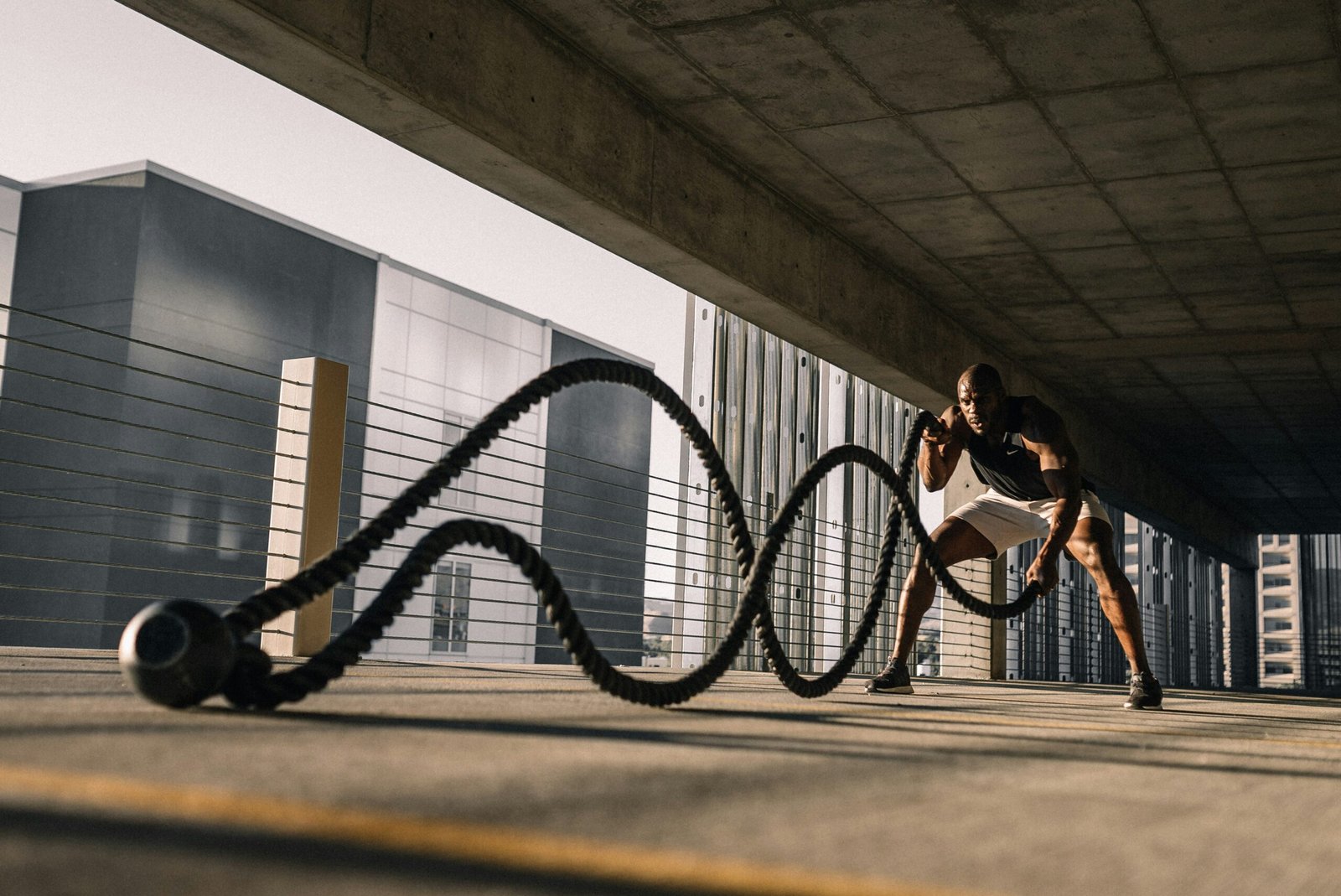

Scroll through Instagram. Watch a Marvel movie. Check out any fitness influencer’s feed.
What do you see?
Ripped bodies. Chiseled jaws. Veins mapping across shoulders like roadmaps. It’s everywhere. And it’s not just about looking good anymore.
Muscle definition has become a cultural currency. It signals discipline, strength, and control in a world that feels increasingly chaotic. But behind the aesthetic lies something deeper — a shift in how we think about physical potential.
Let’s explore why performance aesthetics have exploded and what it actually takes to achieve that “cut” look.
The New Standard of Physical Excellence
Twenty years ago, being fit meant not being overweight. Ten years ago, it meant having visible abs. Today, the bar is much higher.
The modern ideal is lean and vascular. Low body fat. Striated muscles. A physique that looks carved rather than just built.
Why the shift?
- Social media changed everything. Every day, you see athletes, actors, and influencers showcasing physiques that were previously reserved for professional bodybuilders. That constant exposure resets expectations.
- Celebrity transformations set new standards. Actors pack on muscle for superhero roles in months, not years. The public assumes this is normal. It’s not — but it creates demand.
- Health consciousness evolved. People no longer just want to live longer. They want to look and feel powerful while doing it. Aesthetic and function have merged.
The result? More people than ever are chasing a lean, defined physique. And they’re looking for efficient ways to get there.
What Actually Creates That “Cut” Look
Muscle definition isn’t just about building size. It’s about achieving low body fat while maintaining muscle fullness.
Here’s what separates a “bulky” physique from a “cut” one:
- Low body fat percentage. Visible abs typically require 8–12% body fat for men. That’s leaner than most people ever achieve.
- Minimal water retention. Subcutaneous water blurs definition. The drier you are, the more separated your muscles appear.
- High androgen activity. Androgens like testosterone promote fat loss and muscle density. They also increase vascularity.
- Good muscle to fat ratio. You need enough muscle mass to show through. Skinny with low body fat just looks emaciated. Muscle with low fat looks powerful.
- Consistent nutrition. You can’t out-train a bad diet. Definition comes from the kitchen as much as the gym.
Achieving this state takes serious discipline. And for some, it requires more than just chicken breast and early mornings.
The Evolution of Aesthetic Enhancement
Here’s an uncomfortable truth: many of the physiques you admire aren’t the result of diet and training alone.
Professional athletes, actors, and top influencers often use performance-enhancing compounds to achieve results that would take decades naturally — or might never happen at all.
This isn’t new. Bodybuilders have used steroids since the 1950s. But the conversation has shifted.
Today, people are more open about using compounds to achieve specific aesthetic goals. The stigma is fading, replaced by pragmatic discussions about risk and reward.
For those serious about achieving a lean, defined look, certain compounds are particularly effective:
- Testosterone propionate — a fast-acting testosterone that promotes lean muscle without excessive water retention.
- Trenbolone acetate — a powerful compound that doesn’t convert to estrogen, meaning no bloating. It’s known for creating a hard, dry, vascular look.
- Drostanolone propionate — often used pre-competition to enhance muscle density and definition.
These ingredients are sometimes combined into what’s known as a cut stack from Driada Medical — a blend designed specifically for achieving that competition-ready, ripped physique. Such products are used by those who have already committed to the lifestyle and understand the protocols involved.
The Psychology Behind the Aesthetic
Why do we care so much about muscle definition?
Part of it is biological. Low body fat and visible muscle signal health, strength, and genetic fitness. Subconsciously, we’re drawn to those signals.
Part of it is cultural. In a world where so much feels out of control, sculpting your body offers a sense of mastery. You can’t control the economy or the news. But you can control what you eat and how you train.
Part of it is competitive. Social comparison drives us. Seeing others achieve a certain look makes us want it too.
And part of it is simply vanity. There’s nothing wrong with wanting to look good naked. The problem is when the pursuit becomes unhealthy — physically or mentally.
The Reality Check: Risks and Responsibilities
Achieving an elite aesthetic comes with costs.
- Health risks. Compounds that promote definition can increase blood pressure, alter cholesterol, and strain the liver. They’re not benign.
- Side effects. Acne, hair loss, aggression, sleep disturbances. These are real and common.
- Legal considerations. In many countries, these compounds are controlled substances. Using them without a prescription is illegal.
- Psychological impact. The pursuit of perfection can become obsessive. Body dysmorphia is common in the fitness community.
- Financial cost. Quality compounds, regular blood work, nutrition coaching, and gym memberships add up.
This isn’t to discourage you. It’s to ground the conversation in reality. Achieving a “cut” look is possible. But it requires honesty about what you’re doing, why you’re doing it, and what you’re willing to accept.
What Actually Works for Sustainable Definition
If you’re chasing a lean, defined physique, here’s a realistic plan:
- Focus on nutrition first. Protein at every meal. Vegetables at every meal. Minimal processed food. This is non-negotiable.
- Train with intensity. Heavy compound lifts build density. Isolation work adds detail. Both matter.
- Track your progress. Take photos. Measure body fat. Monitor strength. Adjust based on data, not feelings.
- Be patient. Natural results take time. If you’re not using enhancements, expect 1–2 pounds of lean tissue per month at best.
- If you choose enhancements, do it wisely. Start with blood work. Understand the compounds. Use responsibly. Get regular check-ups. And always buy from verified sources.
Final Thoughts
The pursuit of a defined, muscular physique is more than vanity. It’s a statement. A commitment to excellence. A refusal to settle for average.
But it’s also a journey that requires knowledge, discipline, and honesty. The physiques you see online aren’t accidents. They’re the result of calculated effort — often with tools beyond diet and training.
If you’re serious about achieving that look, educate yourself. Understand the risks. Make informed choices. And remember: health comes first. Aesthetics are a bonus.
Your body is your project. Treat it with respect. Build something you’re proud of. But build it smart.