
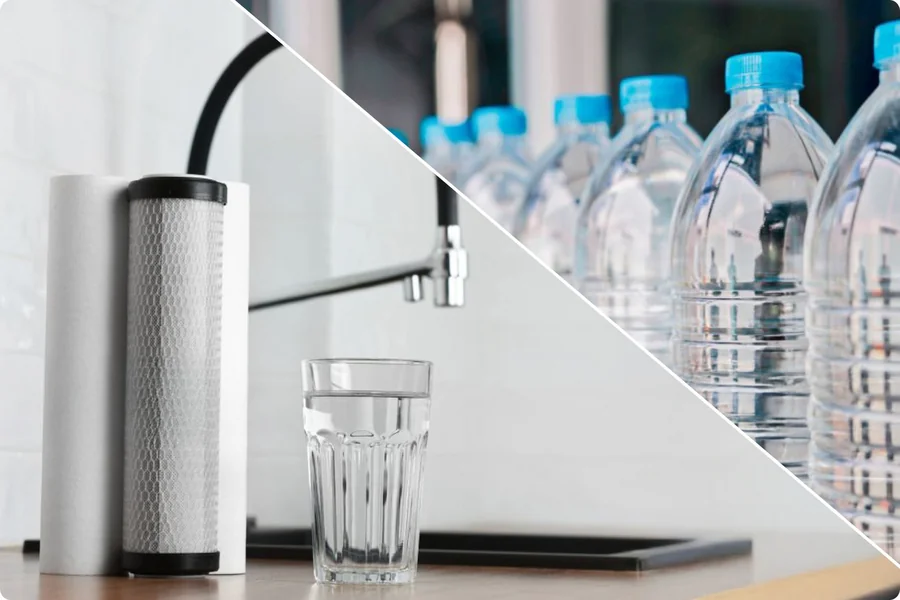

A glass of tap water can taste different depending on where a person lives. Some people worry about chlorine, lead, or other unseen particles in their home supply. Others simply want to remove the metallic taste that comes from old pipes.
A water filtration system like Pentair filtration systems available at Fleet Supply Warehouse and similar places, seems like a simple solution, but the options can feel endless. A buyer needs to look past the marketing claims to find a system that truly works for their household. This guide breaks down the key points for anyone ready to make a smart purchase.
Start with a Water Quality Report
The first step is to learn what actually flows from the faucet. A person can request a water quality report from their local utility company for free. This report shows levels of common contaminants like chlorine, lead, and bacteria. For those on a private well, a home test kit or a state lab test provides the same information. Different filters target different problems, so a guess can waste money on the wrong system. For instance, a simple carbon filter handles chlorine taste well, but reverse osmosis might be necessary for lead or arsenic. This knowledge saves time and frustration later.
Compare Filter Types and Installation
Each filter type offers a different balance of cost, convenience, and power. Pitcher filters are cheap and easy, yet they work slowly and need frequent refills. Faucet-mounted units attach directly to the tap, but they can slow down water flow. Under-sink systems are hidden away and treat a larger volume of water, though installation requires some tools. Whole-house filters treat every drop of water, but they cost more and need professional setup. A renter might prefer a pitcher or a faucet model to avoid permanent changes. A homeowner with a family might invest in an under-sink system for long-term savings.
Look at Filter Lifespan and Replacement Cost
Many people forget to check how often a filter needs to be changed. A cheap filter that lasts only two months can cost more over a year than a pricier model that lasts six months. The replacement cartridges themselves vary in price from ten dollars to over one hundred dollars. A smart buyer calculates the yearly cost before making a selection. Some systems include a warning light or a timer to remind the user of a needed change. Without a reminder, an old filter can release trapped contaminants back into the water.
Check Certifications and Flow Rate
A pretty box or a low price does not guarantee clean water. Reputable filters carry certifications from independent groups like NSF International or the Water Quality Association. These certifications prove the filter actually removes the specific contaminants listed on the box. A buyer should look for the standard number, such as NSF/ANSI 42 for taste and smell or NSF/ANSI 53 for health-related contaminants. Another practical concern is the flow rate, measured in gallons per minute. A high-quality filter that trickles out water becomes a daily annoyance. Therefore, a test of the water pressure at home helps match the right system.
Account for Maintenance and Lifestyle
A filter only works well when a person maintains it properly. Some systems need a simple twist to replace the cartridge, while others require disconnecting hoses. A busy household might forget a complex maintenance routine. A person should choose a system like Pentair filtration systems available at Fleet Supply Warehouse and similar places with replacement parts that are easy to find online or in local stores. For a large family, a whole-house or high-capacity under-sink filter makes more sense than a small pitcher. A single person or a couple might find a countertop unit perfectly sufficient. The goal is to match the filter to daily habits, not the other way around.
Buying a water filtration system does not need to be a confusing process. Clean water should be simple to achieve and simple to keep. With a little research, any household can enjoy better-tasting and safer water every day.